What Does Japan Really Cost? Our Honest Family Budget After a Month
Jax Family Travels·August 2, 2026· 7 min read
When we first decided we were going to Japan, we were nervous.
Not about the language.
Not about getting around (well a little about getting around).
About the money.
If you spend any time reading forums or watching videos before your trip, you'll probably come away thinking Japan is somewhere you need a huge budget to enjoy. We honestly wondered if we'd only be able to afford a couple of weeks before moving on somewhere cheaper.
After spending a month here, we can safely say that wasn't our experience at all.
Can Japan be expensive?
Absolutely.
Can you spend hundreds of pounds a day if you want to?
Without trying very hard.
But can a normal family travel around Japan without constantly worrying about money?
We genuinely think so.
There were a few things that cost more than we'd expected, but there were plenty that were much cheaper too.
It was just how much prices changed depending on exactly where you stayed.
Our first apartment was in Asakusa, Tokyo.
We stayed for four nights and paid roughly £400.
It was absolutely fine, but it wasn't huge and, considering the price, we probably expected a little more space.
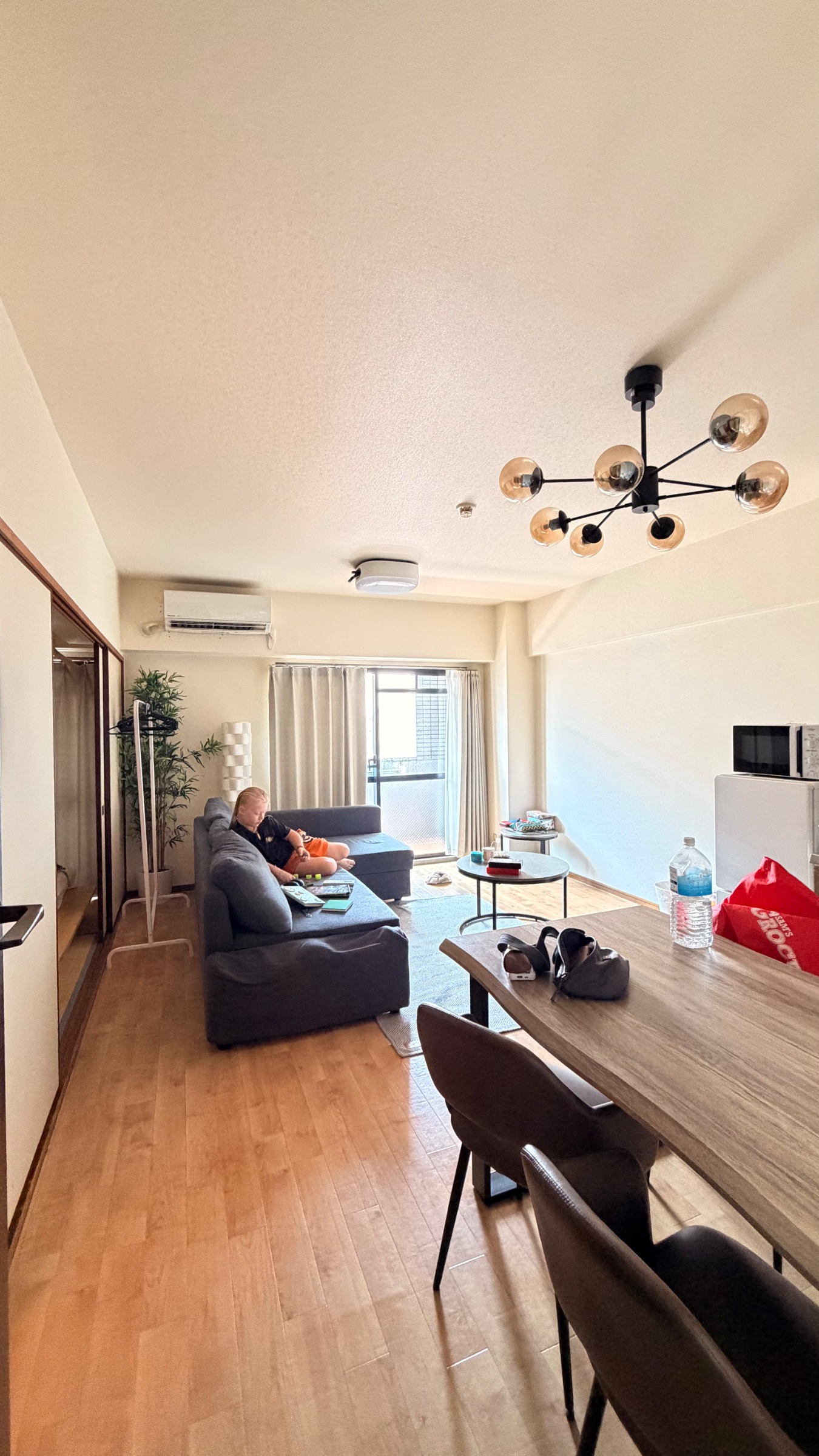
Later in the trip we rented an apartment in Osaka for an entire month.
That cost us £660.
Not per week.
For the whole month.
It was actually bigger than our apartment in Asakusa too.
That really summed Japan up for us.
The location changes everything.
We also stayed in a hotel in Tokyo Bay for three nights which came to £198, while one extra night in Shinjuku cost us just £33.
There doesn't seem to be one simple answer to accommodation costs in Japan.
Instead of only searching by area, we'd really recommend opening Google Maps before booking anywhere.
Pin the accommodation you're looking at, then use public transport directions to see how long it'll actually take to reach the places you want to visit.
Sometimes staying fifteen minutes further out saves you hundreds of pounds across a longer trip.
Even after adding the Metro fares, you're still well ahead. And making sure you are within an easy walking distance (15 - 20 minutes) to a metro station is a must too.
Get new guides and posts in your inbox
No spam, unsubscribe any time.
Be the first to like this
No comments yet
If you're still looking for somewhere to stay, we'd start by having a look here.
If accommodation was more expensive than we'd hoped, food completely balanced it back out.
We honestly don't think we've eaten this well for so little money anywhere else we've travelled.
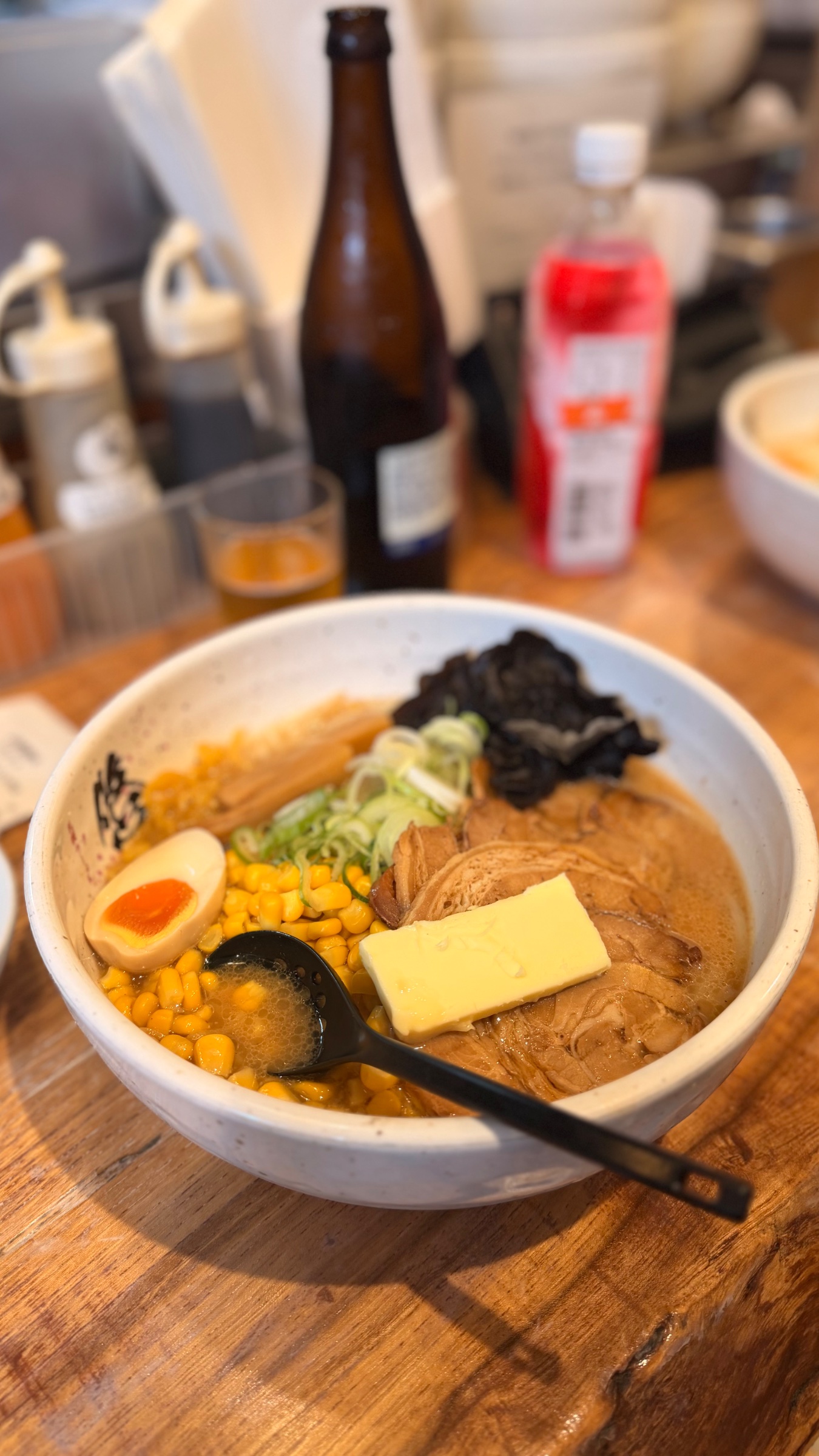
One of our favourite meals became ramen.
For around £12, we'd regularly get two large bowls of ramen, rice and a children's meal for Jax, which usually included a smaller bowl of ramen, a drink and a little jelly dessert.
Three people.
Freshly cooked.
Absolutely stuffed afterwards.
We found ourselves planning days around lunch rather than dinner because it kept us going for hours.
If you're trying to keep costs even lower, Japan's convenience stores are brilliant.
Lawson.
FamilyMart.
7-Eleven.
They all became regular stops for us.
You can pick up fresh bento boxes, sandwiches, rice dishes and snacks for a fraction of what you'd expect to pay elsewhere.
Most stores will even heat your food for you, and quite a few have somewhere to sit while you eat.
We regularly fed all three of us for somewhere between £6 and £8.
One little trick we stumbled across was shopping later in the evening.
Around 7pm we'd often notice yellow discount stickers appearing on fresh food.
Sometimes it was 100 yen off.
Sometimes half price. But be quick becuase we had noticed that they either sell fast or they are only able to have them on the shelf reduced for a certain amount of time potentially 30 minutes and then you are no longer allowed to buy them.
If you're not fussy about exactly what you eat, it's an easy way to keep costs down without feeling like you're compromising.
The quality genuinely surprised us.
It never felt like cheap food.
It just happened to be inexpensive.
Drinks were another pleasant surprise.
A large bottle of water often cost around 120 yen, roughly 57p.
A can of Dr Pepper was around 90 yen, about 42p.
If you are coming from the UK, those prices take a bit of getting used to.
Alcohol was also far cheaper than we'd expected and available almost everywhere, from supermarkets to convenience stores.
One thing we did notice though.
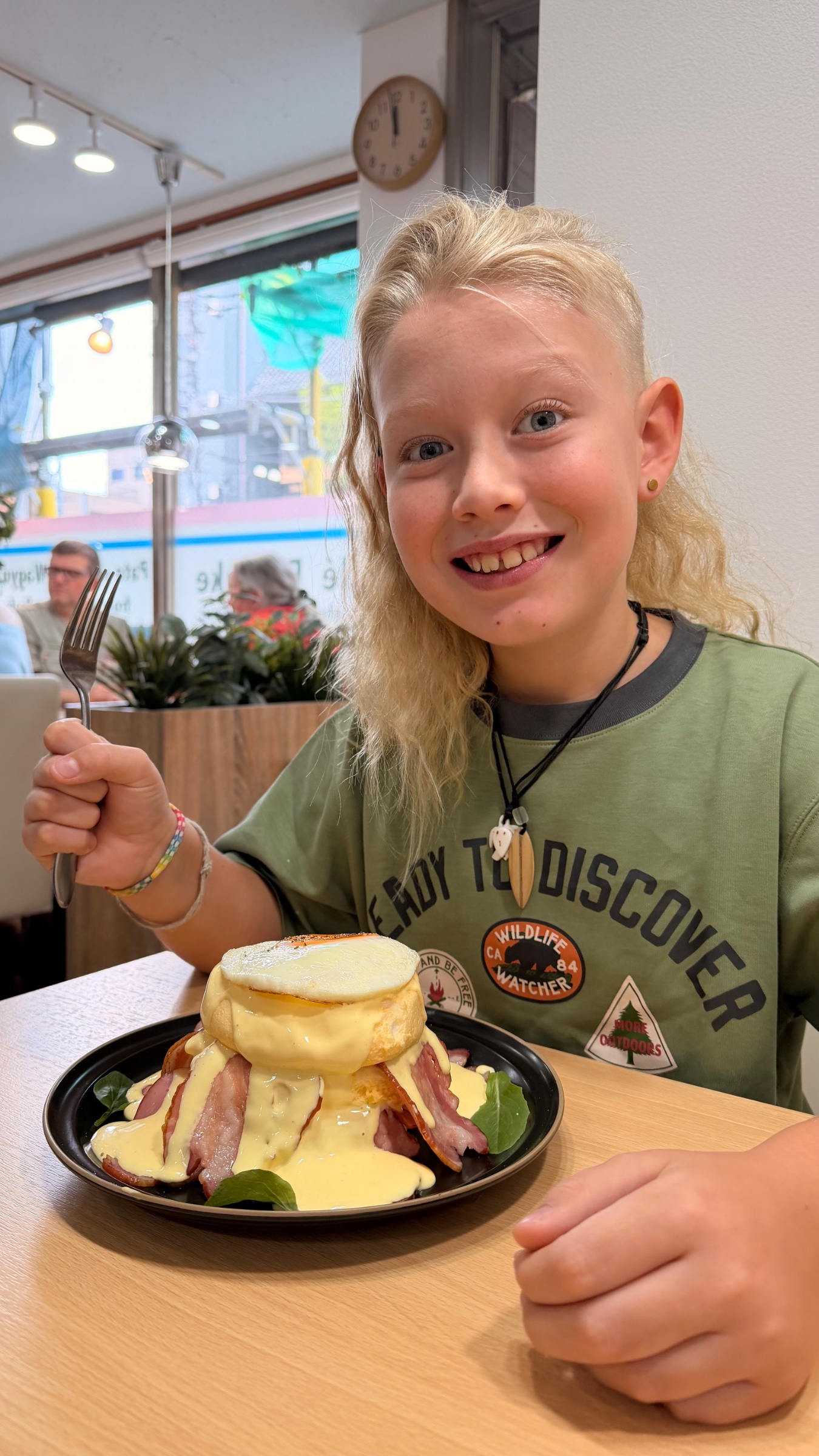
Once cafés and desserts start creeping into the day, the budget disappears much faster.
Japan has some brilliant bakeries and cafés, and we definitely visited more than our fair share.
Those little treats don't look expensive individually, but after a couple of weeks they quietly become one of the bigger categories in your budget.
Jax certainly wasn't complaining.
Getting around costs far less than we expected
Before arriving we assumed transport would be expensive, having noted the cost of the famous bullet trains.
Again, we were wrong.
The Metro is brilliant.
It's clean, reliable and unbelievably efficient.
A journey of around forty minutes, changing between two different lines, often cost us around 290 yen, roughly £1.37 for an adult.
Children travel for around half that.
When you compare that to what we'd happily pay in London, it felt very reasonable.
There always seemed to be another train arriving within minutes, so we never found ourselves standing around waiting for long.
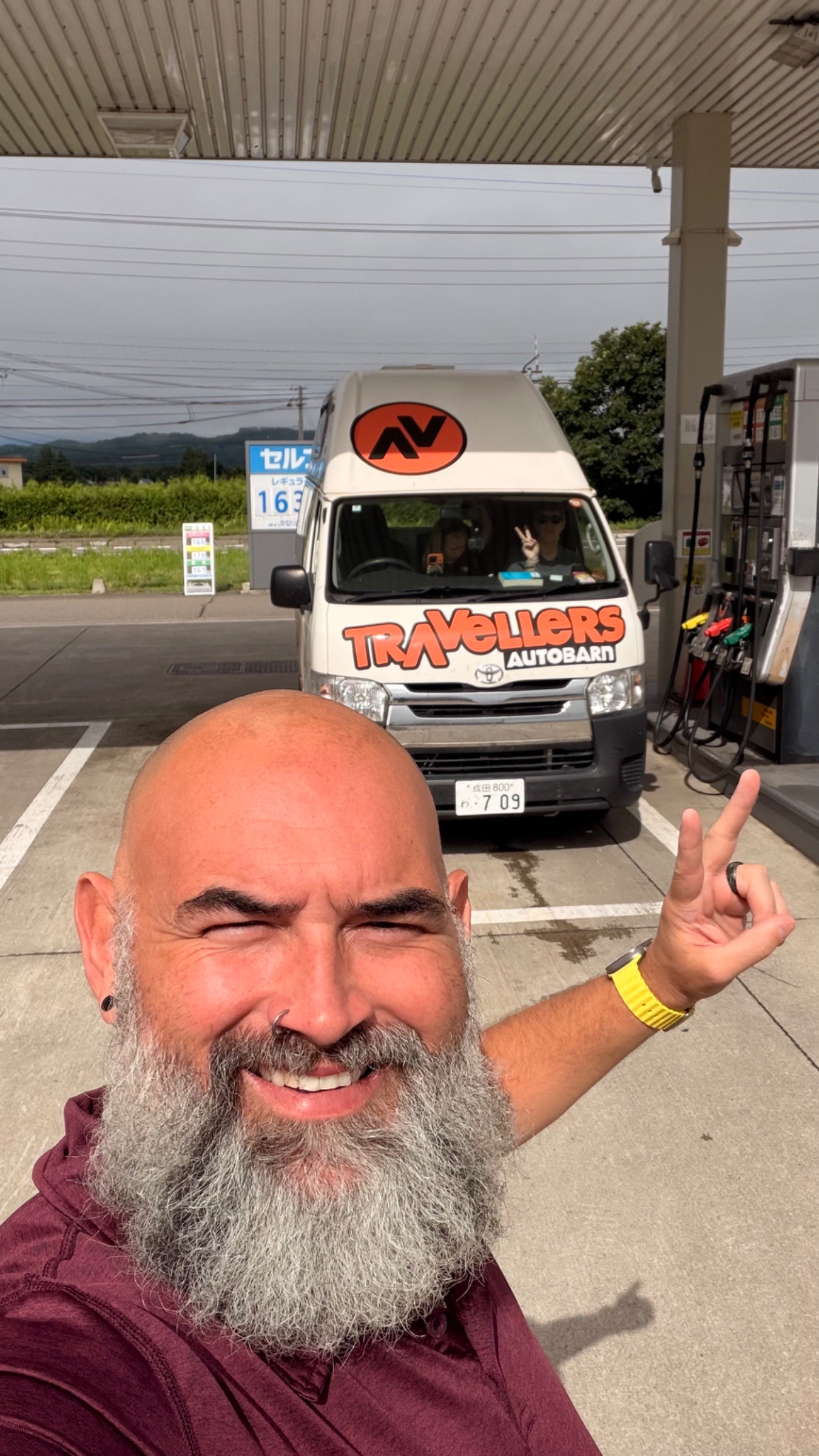
For the second half of our trip we hired a campervan and travelled around Japan by road.
Fuel was another pleasant surprise.
Across the month we paid anywhere between 147 yen and 173 yen per litre, roughly 69p to 82p.
Considering how much driving we did across Hokkaido and northern Japan, fuel ended up being far less of a concern than we'd expected.
It meant we could happily take detours without constantly worrying about what another hundred miles would cost.
We also took a bus from Tokyo to Osaka, skipping the price of the bullet train that would have been several hundred pounds for the 3 of us, we paid around £56 for the bus journey instead, and actually it was very good, very comfortable, plenty of stops to strech your legs and get some food.
We tracked every penny
Since leaving the UK in September 2025 we've tracked every single penny we've spent.
If money leaves our account, it goes into our budget tracker.
Japan has been no different.
That's exactly why we built WayStaq in the first place.
We wanted something that showed us exactly where our money was going without having to mess around with spreadsheets every evening.
At any point during our trip we could open the app and instantly see how much we'd spent in Japan, what we'd spent that day and exactly which categories were creeping up faster than we'd realised.
Sometimes we'd think we'd had a really cheap week, only to discover we'd somehow spent more on cafés than fuel.
Without tracking it properly we'd never have noticed.
We've made that tracker available on our website too.
Premium members can explore the whole thing as part of their membership, including every accommodation booking, food spend, activity and transport cost. If you're not a member, you can still access it as a one-off purchase for £4.99.
No comments yet