Family TravelBudget TravelLong-Term TravelTravel RealityFamily Life
The Difference Between Holiday Spending And Travel Spending
Jax Family Travels·May 22, 2026· 11 min read
We used to think travelling long-term would mostly be about spending less money.
It isn’t really.
It’s more that your relationship with spending changes completely.
On holiday, spending feels emotional and temporary. You know another pay cheque is coming. You know normal life will restart when you get home. So you say yes to things constantly because the whole point of the holiday is to escape real life for a bit.
The strange thing is, after a while it stops feeling like sacrifice anyway. You just slowly stop wanting the same things.
Food Stops Being About Treating Yourself
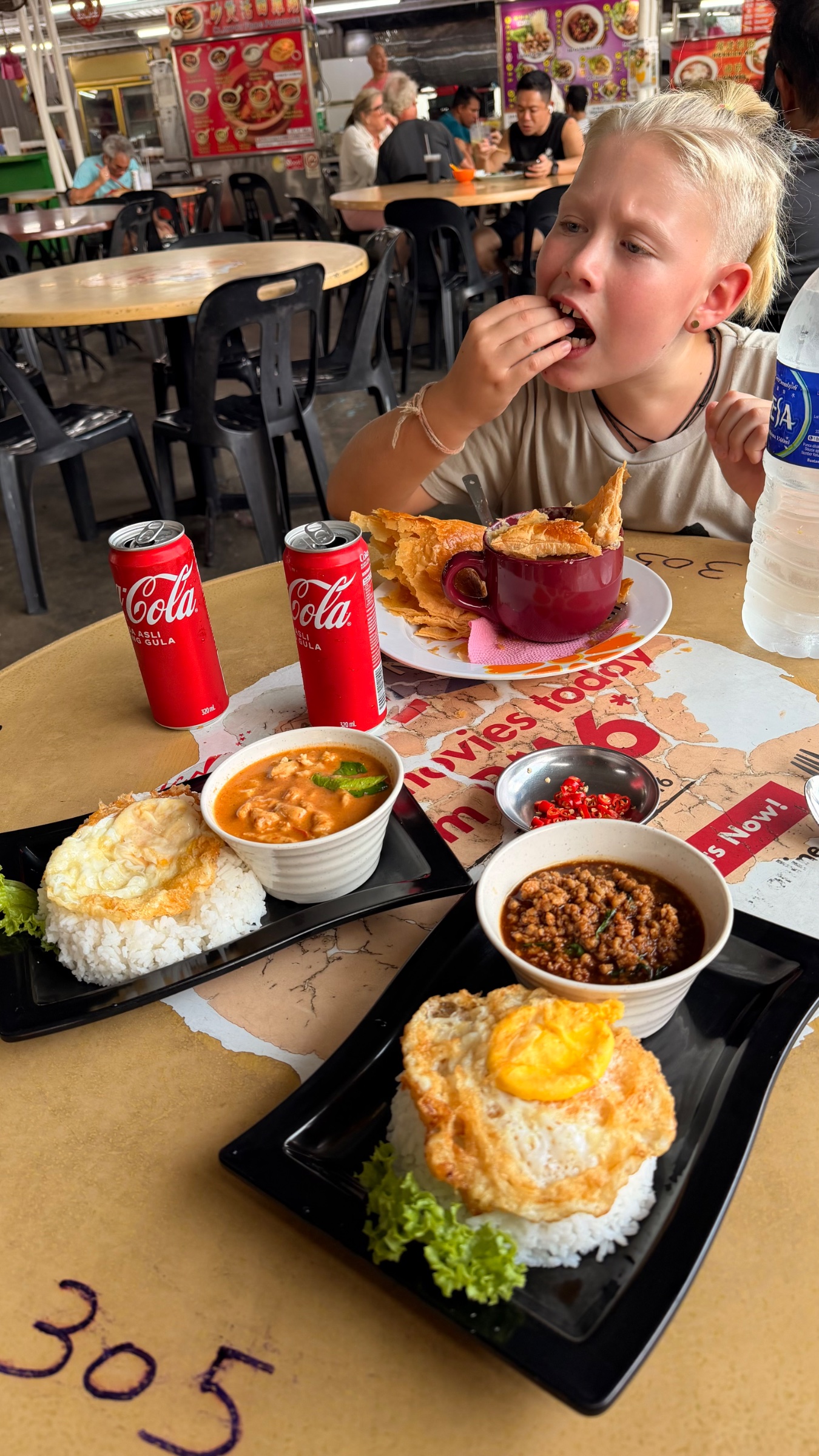
Before we left the UK we already leaned heavily towards local food whenever we travelled. Partly because we genuinely enjoy it, partly because paying £18 for a disappointing burger and chips started annoying us years ago.
Travelling long-term made that even more obvious.
There are only so many times you can pay tourist prices for a warmed-up supermarket pizza before you realise you’re basically funding someone else’s bad life choices.
That said, eventually you hit a wall with local food too.
Sometimes you simply cannot eat another pad kra pao.
At some point your brain starts craving:
pasta
toast
fish and chips
carbonara
plain food that tastes vaguely like home
That changes how you value accommodation.
At the start we cared far more about pools and views. Seven months in, a kitchen is often more exciting than an infinity pool.
Particularly in Southeast Asia where local food is usually cheaper than cooking local food yourself anyway. You’d struggle to cook masak lemak cheaper than buying it fresh from a hawker stall in Malaysia.
But western comfort food? Different story.
A bag of pasta, simple marinara sauce, a bit of cheese if you’re feeling extravagant. Suddenly all three of you are eating dinner for under £2 and sitting around watching rubbish YouTube videos in an apartment instead of paying restaurant prices again.
And honestly, after weeks of moving around, sometimes that feels better anyway.
I'm one blog in a a newly signed up Premium member and I'm already invested.. invested in me, my time, my aspirations and considering the cost of not making good choices. Thank you JFT 🙏🏻 Stay Safe and Travel Happy
OliOli L.1 Aug 2026
I love this for you, thank you so much for taking the time to read <3
We ended up buying an air fryer and toaster when we arrived in Penang knowing we’d be there for nearly two months. Which sounds ridiculous when you technically don’t live anywhere.
But chips are weirdly expensive out here. Rice is cheap. Fries aren’t.
Within a week we realised the air fryer had probably paid for itself.
Toast whenever you want. Chips whenever you want. Small things. But small things matter when this is your actual life rather than a two-week break.
Tiny Daily Habits Add Up Fast
One thing we massively underestimated before leaving was how dangerous small daily spending becomes when you travel long-term.
At home there’s structure around spending.
Friday beers.
Weekend brunch.
Cinema once a month.
Travelling removes most of those boundaries because every day feels vaguely like Saturday afternoon.
There’s always another café nearby.
Another iced tea.
Another little treat.
And because it’s only £3 or £4 each time for all your drinks rather than each, it doesn’t feel important.
Until you realise your daily iced coffee habit is quietly costing £90 a month.
That might not sound dramatic back home. But when you’re travelling, £90 can suddenly become:
your ferry to the next island
three extra nights accommodation
a visa
a domestic flight
a really good food tour
Beer changed massively for us too.
In Thailand it still felt cheap enough to casually have beers regularly but even there we usually drink cans from the 7eleven rather than bars. But after Morocco, India, Nepal, the Maldives and now Malaysia, alcohol became far less casual.
You stop wandering down to the harbour for “a few beers because why not?”
Because there is no next payday coming.
Or technically there is, but it’s supposed to last across countries, flights, visas, ferries, insurance and random disasters involving broken backpacks and emergency airport shuttles.
Beer becomes more selective.
Celebrating new friends.
A birthday.
A really good sunset.
Not every random Tuesday because it’s sunny.
The funny thing is we don’t really miss it in the way we thought we would.
Even before leaving the UK we noticed our spending dropping dramatically once we committed to travelling. Random shopping started feeling pointless because we knew exactly what we were saving for and more importantly probably the same as you realise you usually don't need what it is you're buying anyway.
Buying more stuff just meant more stuff to get rid of later.
Kids Value Experiences Completely Differently
One thing we’ve noticed with Jax is how quickly kids adapt to a different way of living when you stop constantly throwing options at them.
At home there’s this endless conveyor belt of stuff:
new toys
new clothes
Pokemon cards
books
random Amazon parcels arriving because everyone’s bored on a Tuesday
Travelling strips a lot of that away naturally because space matters.
And weirdly, nobody seems less happy for it, if anything and trust me on this we all seem happier.
Jax swaps books with other travelling kids now rather than constantly buying new ones. Sometimes they’re books he probably wouldn’t have chosen himself, but he still reads them and enjoys them.
There’s less perfection in long-term travel generally.
You adapt more.
And the things that stick are rarely the expensive things anyway.
Not souvenirs.
Not shopping.
It’s things like Jax getting to scuba dive a reef that's a boat ride away in the Maldives or getting another surfing lesson in Sri Lanka because you didn’t blow money elsewhere, earlier in the week, getting your nails done or on that extra round of cocktails.
Even the cinema changed.
Back home it was a proper treat because by the time you added another adult ticket and snacks, you were somehow staring at £40 wondering how watching a cartoon had become a financial event.
Across Asia the cinemas have generally been brilliant and weirdly affordable.
In Malaysia we took all three of us to the cinema for about £9 total. You can usually sneak your own drinks in as well if you’re slightly tactical with your bag packing.
Suddenly something that felt expensive at home becomes a normal almost weekly family activity again.
Long-term travel isn’t automatically cheaper. Some things just swap places financially.
You Start Prioritising Experiences Differently
Holiday spending is very “do everything now”.
Long-term travel forces you to pace yourself.
In the Maldives we skipped several expensive speedboat reef tours because we already knew we wanted to do the Everest mountain flight later in Nepal.
At the time the reef trips looked amazing. And they probably were amazing.
But snorkelling off the house reef with free equipment and getting to see several octopus navigating the reef a few meters below us repeatedly changing colour, was absolutely incredible and cost nothing.
Same with Penang.
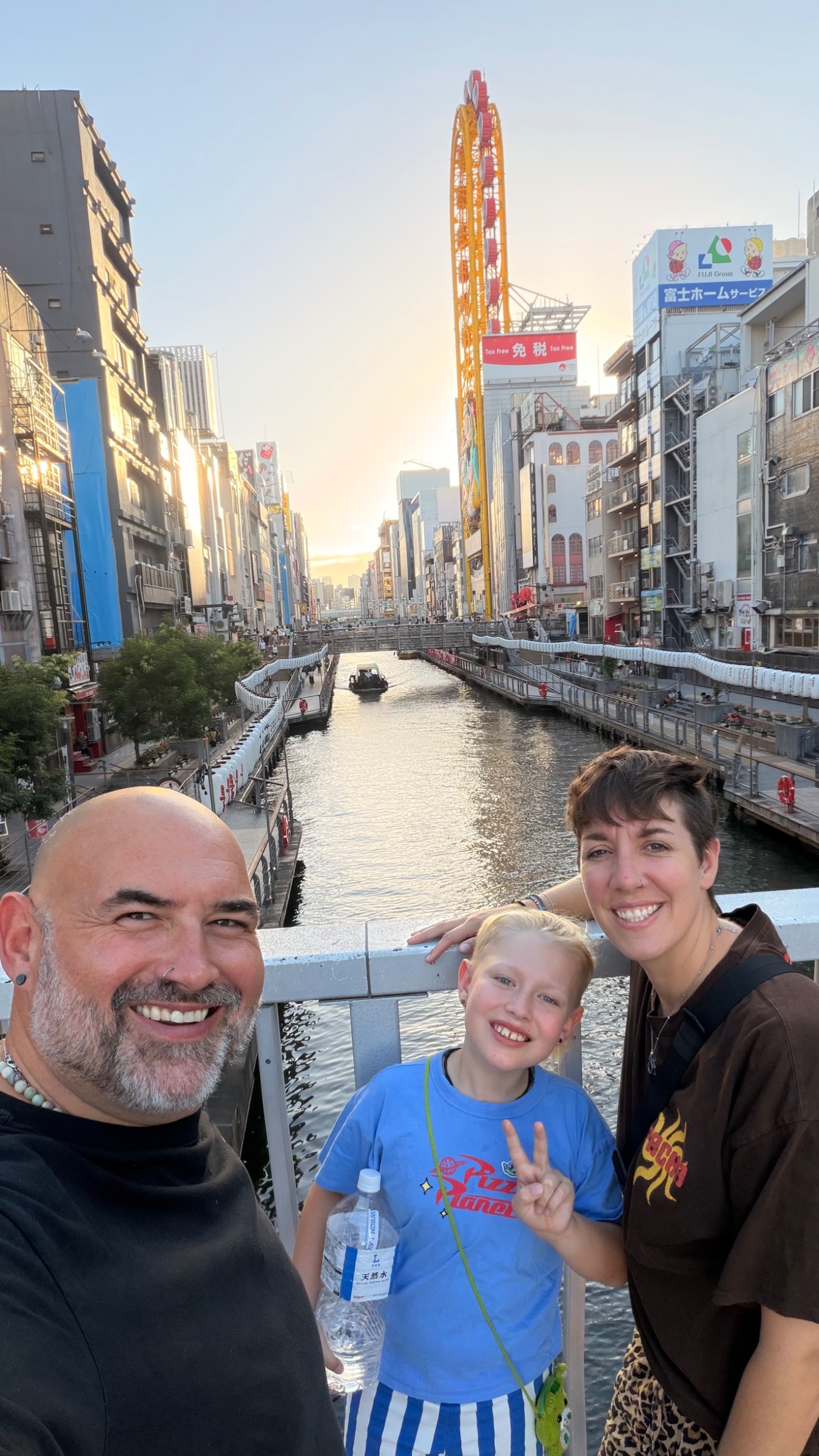
We’ve deliberately skipped Escape waterpark here because it would’ve been close to £100 for the three of us and we know Japan is coming soon. Japan is going to be expensive enough without arriving already annoyed because you're over your budget.
That’s probably the biggest difference between holiday spending and travel spending.
On holiday:
you maximise today.
Travelling:
you think much further ahead.
Sometimes that means only one person doing an activity while the others watch.
Sometimes it means choosing one experience all three of you genuinely want rather than three separate expensive things because everyone’s tired and indecisive.
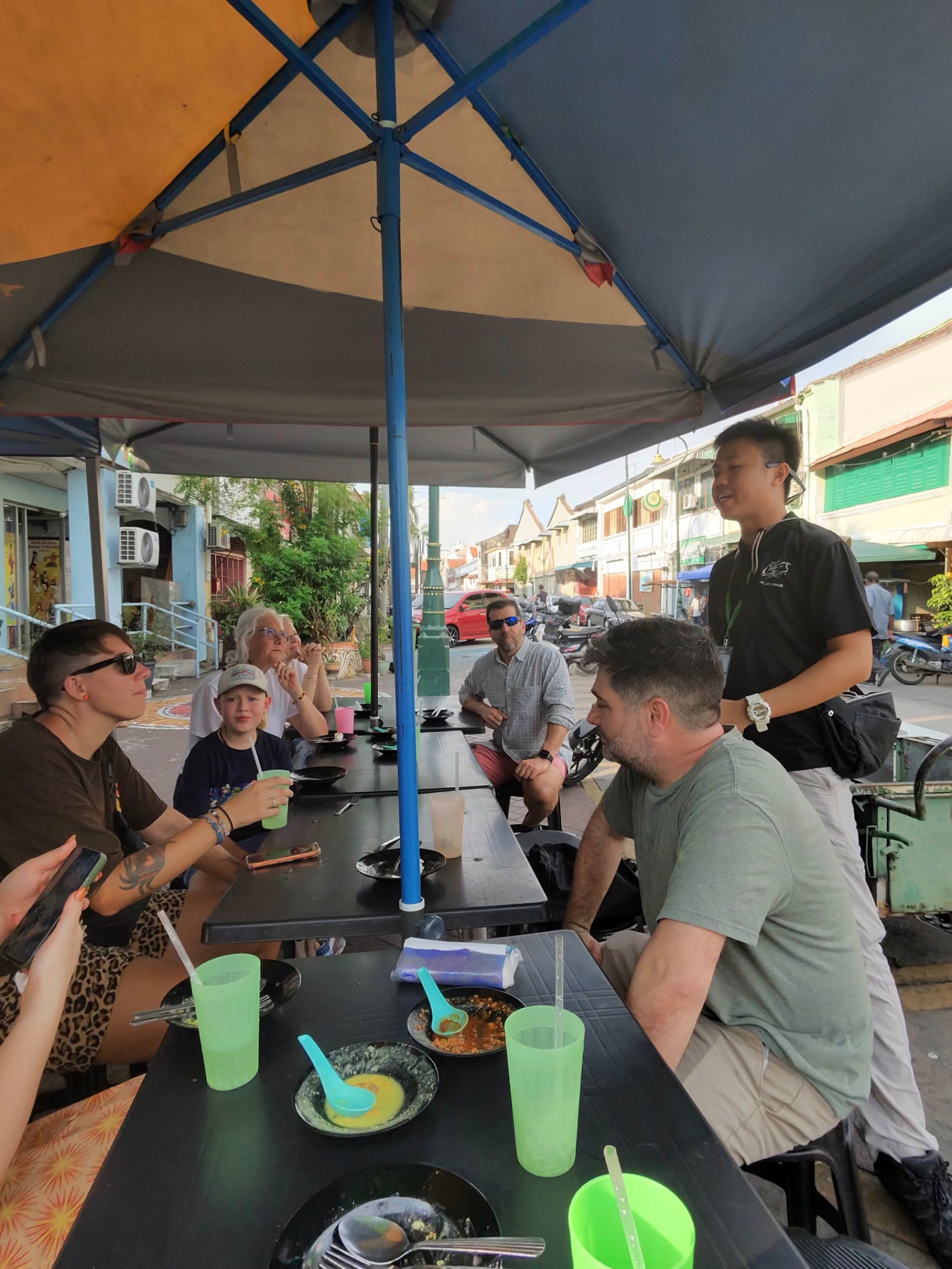
One thing we will still happily spend money on though is a really good local food tour. If we’re somewhere new and feeling a bit burnt out from making endless daily decisions, having someone local walk you round feeding you incredible food for three hours can completely reset your enthusiasm for a place.
We did exactly that in George Town and it ended up being one of those evenings where nobody checked their phones because everyone was too busy eating.
Those kinds of experiences usually feel worth it afterwards.
Random expensive tourist restaurants often don’t.
If you’re curious about the budgeting side of how we track all this while moving around constantly, we started using WayStaq after months of spreadsheets and half-forgotten notes apps.
Emotionally expensive.
Mentally expensive.
Energy expensive.
Even moving every two weeks through the Maldives, India and Nepal felt exhausting after a while.
You never fully settle.
You never figure out local prices properly.
You keep making convenience decisions because you’re tired.
And tired people spend more money.
You get taxis instead of buses.
Western food instead of local food.
Shortcuts instead of routines.
Fast travel keeps you stuck in permanent holiday mode.
Slow travel is where things started changing for us.
You stop trying to “see everything” and start building temporary versions of ordinary life instead.
That’s where the real savings happen naturally.
You find the cheaper fruit stall.
The good local coffee spot.
The hawker market where locals actually eat.
The laundrette that doesn’t destroy your clothes.
One thing we’d recommend if you’re travelling for several months in one country is splitting your time differently.
Either:
spend the first month or two putting down roots somewhere cheaper, then travel quickly afterwards
Or:
blast around first, then return to the place you liked most and stay longer
Both work well.
Trying to sprint constantly for six months doesn’t.
Accommodation Changes Completely
Before leaving the UK we thought arriving somewhere without accommodation booked sounded borderline irresponsible.
Now we regularly turn up with a shortlist and sort it when we arrive.
Particularly in Sri Lanka where having a tuktuk made it easy to look around properly.
Sometimes you find places not even listed online. Sometimes you save money because there’s no booking site commission involved.
We’ve never ended up stranded.
Worst case, you pay slightly more than you wanted for a couple of nights. Which still usually isn’t the end of the world.
Even during Yi Peng festival in Chiang Mai, when everywhere looked completely packed online, we still found somewhere comfortably within budget.
Confidence becomes financially valuable after a while.
You stop panic-booking.
And honestly, the gap between a £6 room and a £100 room often isn’t as dramatic as people imagine anyway.
You still usually get:
a bed
a toilet
a shower
somewhere safe
The sheets might be nicer.
The pool might be bigger.
The shower might actually be hot
The lobby music might be trying very hard.
But if you’re barely in the room because you’re out exploring all day, it matters less than people think.
What matters far more long-term is space.
Especially with kids.
When you travel long-term there’s often no office, no school building, no separation at all. You’re together constantly.
In Bangkok we stayed somewhere so compact we couldn’t comfortably all eat dinner together inside. We ended up using communal work spaces constantly just to spread out a bit.
Our Penang apartment is the opposite. Loads of room. Separate spaces. Everyone can disappear for an hour without climbing over each other emotionally.
That matters more than rooftop pools after a while.
Pools sound essential before you leave. And they definitely help sometimes. But seven months in, despite having a huge pool here in Penang, we’ve probably used it five times.
Work happens.
Schoolwork happens.
People get tired.
Normal life quietly returns wherever you are.
Even air con changes.
In Sri Lanka we often only paid for one properly air-conditioned bedroom and rotated sleeping in what we called “the freezer”.
That kind of thing sounds odd before you travel.
Then after a while it just becomes normal family logistics.
It Stops Being About What You’re Doing
One thing we probably didn’t expect before leaving is how much value shifts towards simply spending time with people.
At home it often feels like every weekend needs “doing properly”.
Activities.
Tickets.
Shopping.
Some kind of expensive plan.
Travelling changed that a lot.
Some of our favourite days have basically involved sitting on a grassy patch near the coastline chatting with other travelling families while all the kids disappear for hours playing football or making up games together.
Costs absolutely nothing.
And honestly feels better than some £100 attraction days we’ve done.
The longer you travel, the more you realise the actual activity matters less than:
who you’re with
how stressed everyone feels
whether anybody is rushing
whether you’ve all slept properly
That sounds obvious written down. But it took us travelling full-time to really notice it.
Long-term travel isn’t one endless holiday.
It’s closer to building a different version of ordinary life.
 OliOli L.1 Aug 2026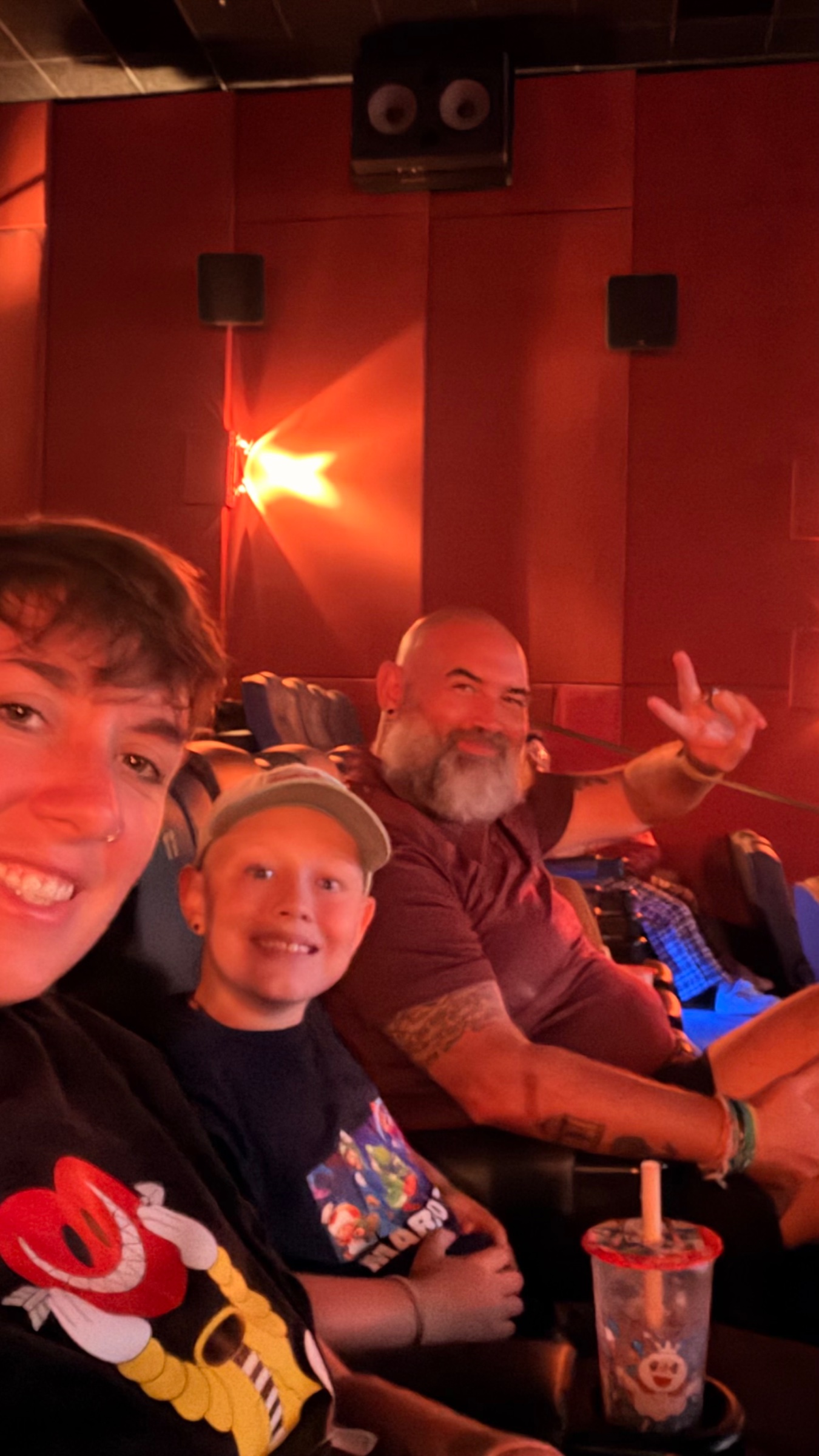

2 comments