Resorts Vs Local Islands In The Maldives, What Actually Worked Better For Us
Jax Family Travels·March 10, 2026· 8 min read
We visited February 2026
Resorts Vs Local Islands In The Maldives, What Actually Worked Better For Us
Before we went to the Maldives, we spent an embarrassing amount of time researching stays on local islands and only glimpsed at resorts.
Because the Maldives has a very specific image online.
Breakfast floating in pools. Empty beaches. Couples arriving by seaplane looking suspiciously well-rested considering they’ve just come off an international flight.
And honestly, for a while we convinced ourselves that local islands would somehow feel like the “budget version” of the Maldives. Like we’d arrive and immediately regret not booking a resort.
That didn’t happen.
But equally, we also came away understanding why people pay resort prices.
By the end of the trip, we realised resorts and local islands are almost two completely different holidays sharing the same ocean.
Resorts remove stress. Local islands feel more like actual travel.
This was probably the biggest difference for us.
Resorts are built to make life smooth from the second you land.
You get picked up. Your bags disappear. Food is sorted. Excursions are organised. Beaches are cleaned constantly. Nobody’s trying to work out whether the public ferry definitely exists or whether the timetable online was last updated sometime around 2019.
As parents, we absolutely understood the appeal of that.
Especially after travelling long-term where sometimes even deciding what to eat for dinner feels oddly exhausting because you’ve already made about forty logistical decisions that day.
With local islands though, the Maldives felt far more grounded.
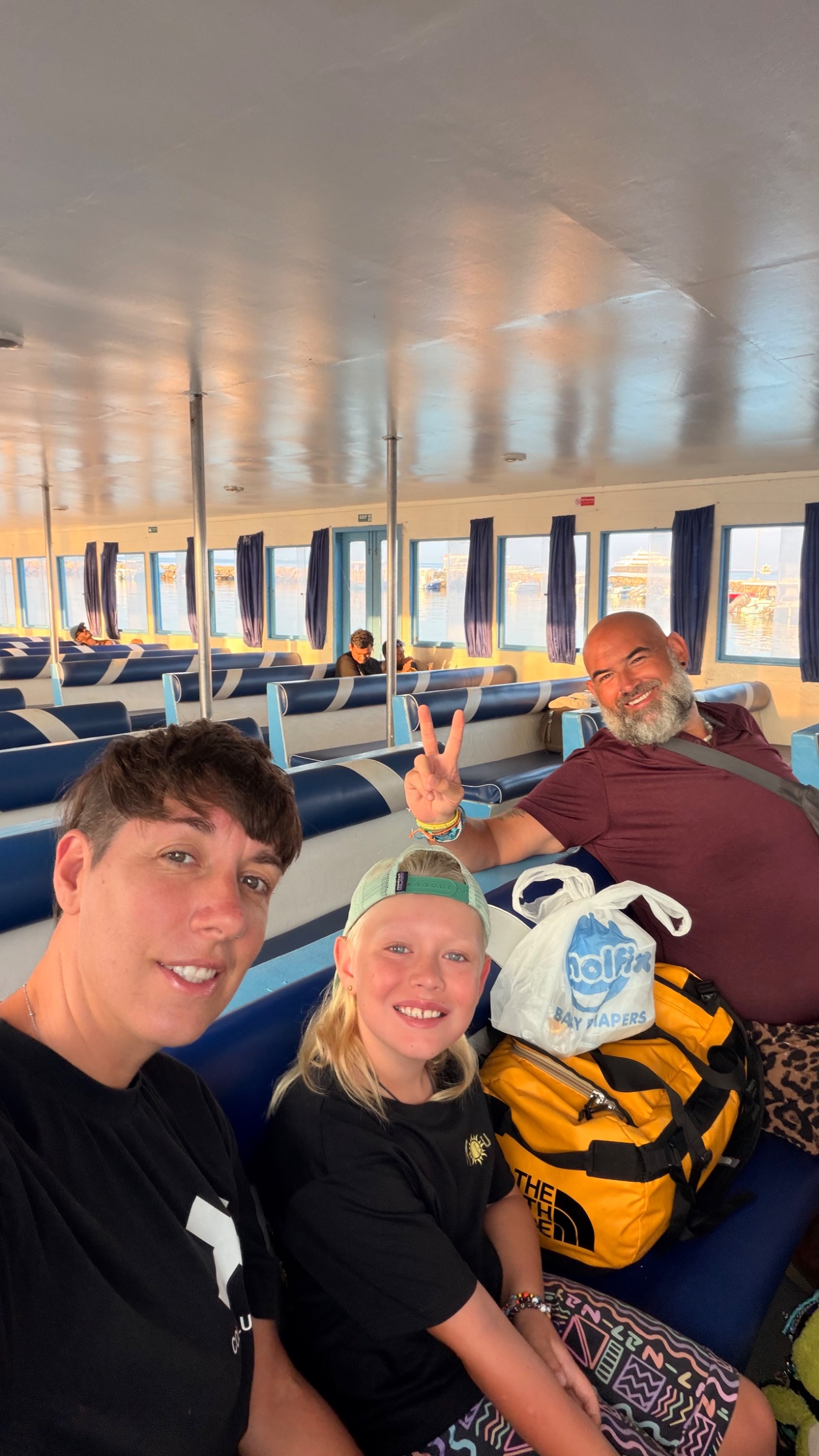
We were getting ferries with locals carrying shopping bags and boxes of supplies. Kids were cycling around after school. You’d hear football games happening in the evenings. There were supermarkets, cafés, mosques, mopeds and random building work happening down side streets.
It felt less polished, but also less detached from reality.
And for us personally, that made the trip feel more memorable.
At the same time, local islands definitely require more patience.
There were days where we were dragging backpacks through the heat trying to find guesthouses while pretending everyone was still in a perfectly reasonable mood.
There were ferry waits where the heat felt genuinely offensive.
And there were moments where we completely understood why people just pay somebody else to handle all of it.
The money side changes the entire decision
This was realistically why we chose local islands in the first place.
We looked at resorts first because most people do. Then we started adding up:
That was the point where we realised we had two options:
A short resort stay
Or a much longer trip across local islands
We chose time over luxury.
Not because we think resorts are bad value for everyone, but because for our style of travel it didn’t make sense spending huge amounts on accommodation when we knew we’d rather stay longer and move around more.
The transfer costs surprised us most.
Some resort transfers cost more than entire chunks of our local island accommodation.
When you’re travelling as a family rather than a couple, everything multiplies quickly. Three speedboat tickets. Three excursion places. Three meals every time you sit down somewhere.
The Maldives adds up fast.
Local islands still weren’t “cheap” compared to Southeast Asia generally, but they felt manageable.
We could grab drinks, stop for snacks, book excursions and eat out without constantly doing mental currency conversions and quietly panicking.
Maafushi felt the least like the Maldives we imagined
This is probably the island that surprised us most.
Before arriving, we’d seen loads of videos making Maafushi look peaceful and tropical and fairly laid-back.
In reality, it felt busy.
Not terrible busy. Just far more developed and tourist-focused than we expected.
There were excursion sellers everywhere, lots of hotels being built, buggies moving around constantly and quite a lot of general noise compared to the quieter islands.
We stayed at Icom Blue, which actually worked really well as a base because it was easy to walk everywhere from there.
And honestly, Maafushi makes sense for families wanting convenience.
There are loads of restaurants, excursions, cafés and shops. You don’t really have to think too hard there. Which after long travel days is quite nice.
But if somebody’s imagining silent beaches and Robinson Crusoe energy, Maafushi probably isn’t that anymore.
Jax actually liked the atmosphere there because there was always something happening. Football games on the beach. Boats constantly arriving. Ice cream shops every few minutes. The island had energy.
We just wouldn’t personally want to spend our entire Maldives trip there.
Guraidhoo felt the most balanced for us
Guraidhoo ended up being the island we talked about most afterwards.
It still felt local, but without feeling difficult.
We stayed at Adroit Sunset View and almost immediately relaxed more there than we had in Maafushi.
There were enough cafés and restaurants that we didn’t feel trapped into eating the same meals every day, but the pace was much slower overall.
Jax spent ages near the jetty watching fish and stingrays moving through the water and catching the dolphins playing in the bay.
Nobody was in a rush to do anything. Which was honestly quite nice after moving around so much.
That slower rhythm suited us better.
It also felt easier as a family because distances were short and the island felt calmer generally. Less traffic, less noise, less intensity.
If we went back and did local islands again, we’d probably build more time around somewhere like Guraidhoo.
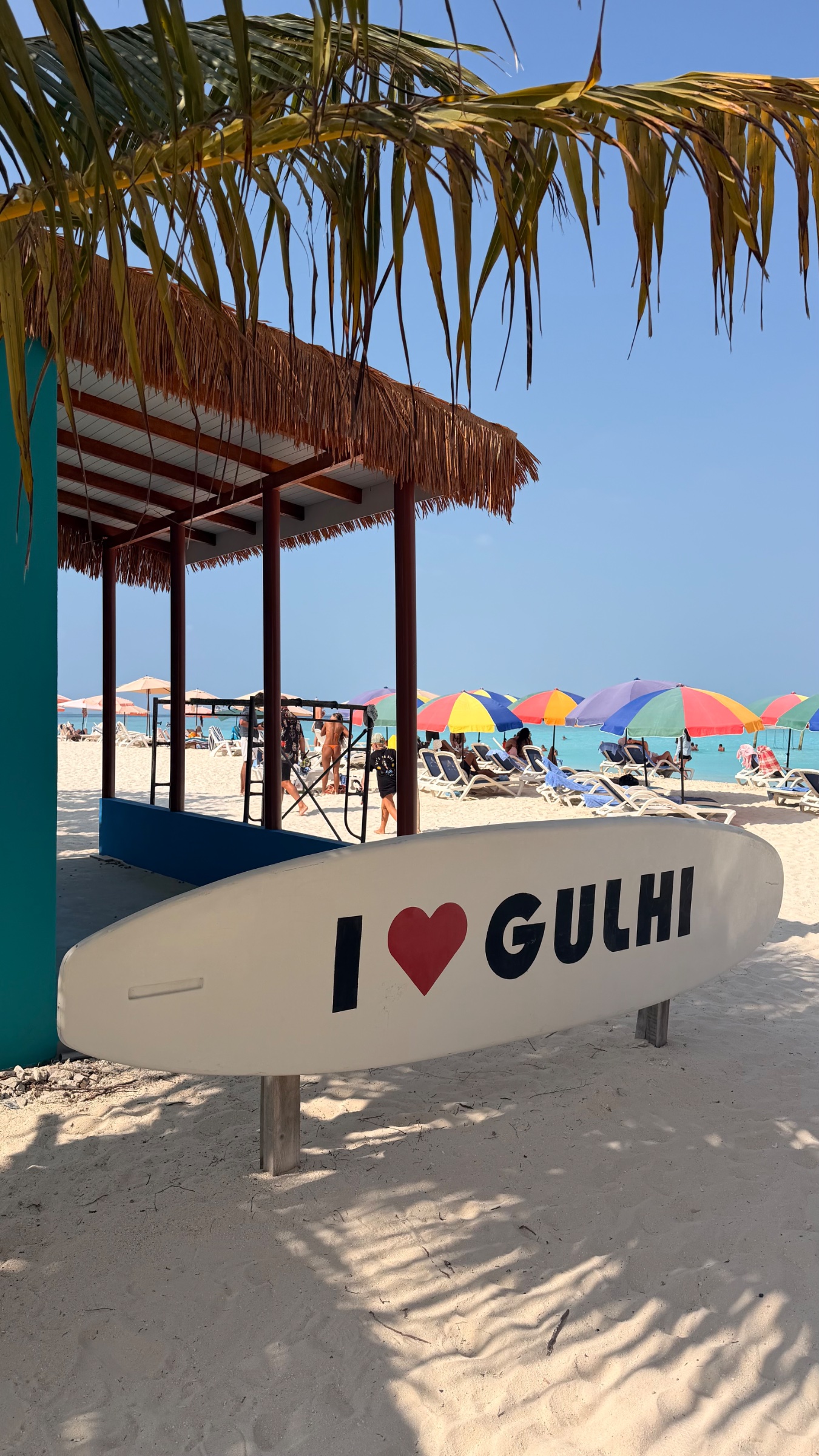
Gulhi looked the closest to the version people imagine online
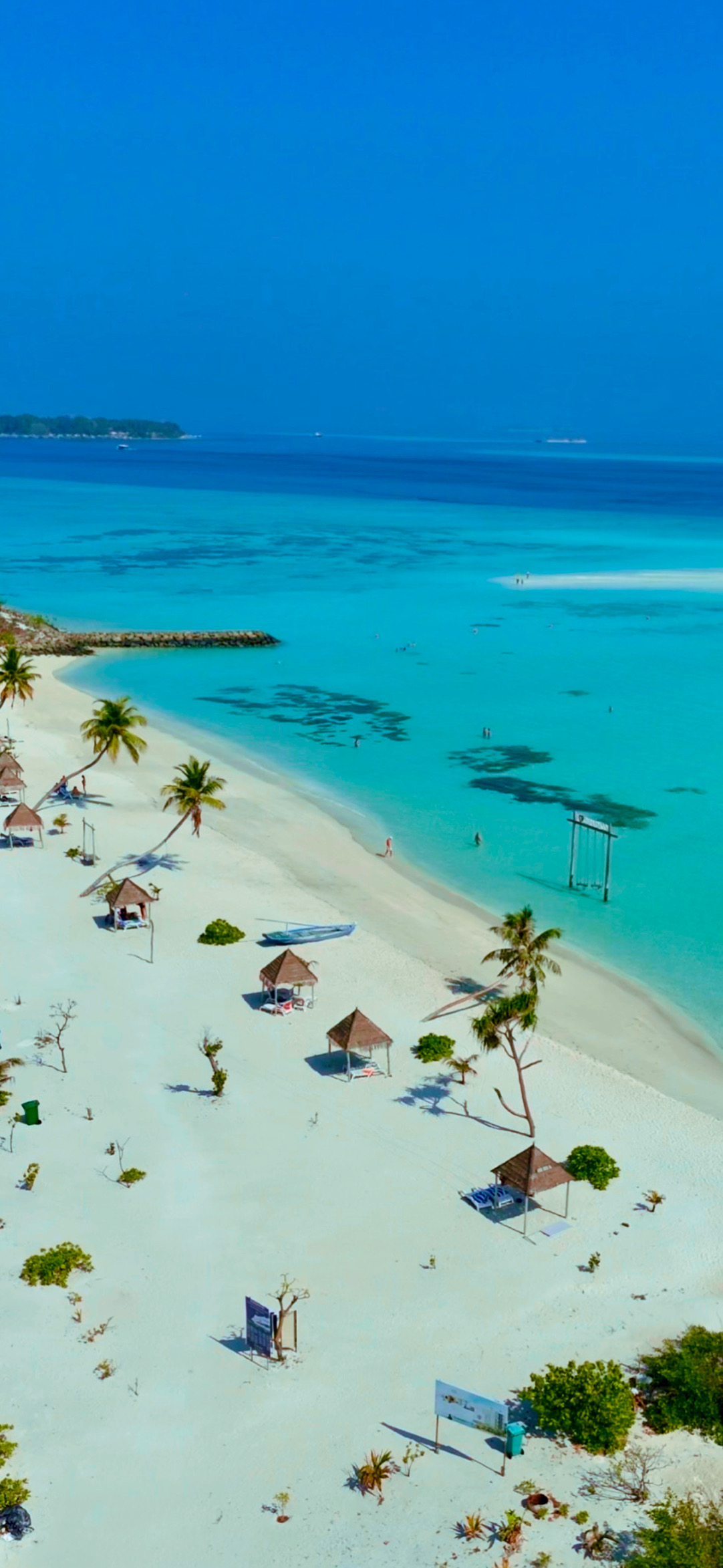
Gulhi was tiny compared to Maafushi.
You could walk across most of it in minutes.
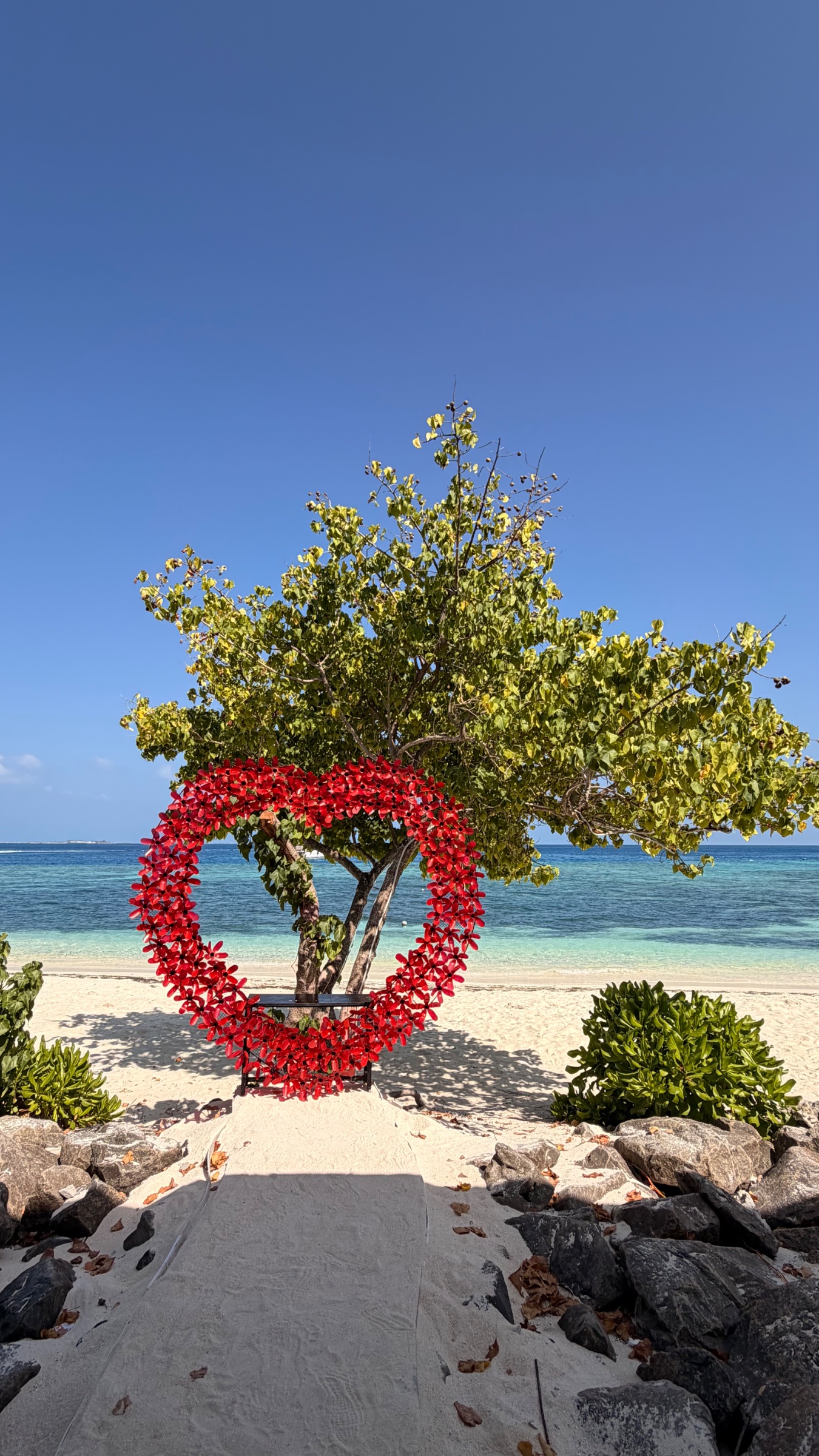
But visually, it was probably closest to the “classic Maldives” image people have in their heads before arriving.
Ridiculous turquoise water. Bright white sand. Small boats floating in water that looked edited even in real life.
We stayed at Tropic Tree there and really liked how calm the island felt overall.
But smaller islands come with trade-offs.
There’s less choice generally. Fewer restaurants. Less happening in the evenings. Fewer excursions running regularly.
After a couple of days that either becomes very relaxing or slightly repetitive depending on your personality.
For us, splitting time between islands worked much better than staying somewhere tiny for a full week.
Especially because Jax likes movement and variety. He’s happy spending hours in the sea, but he also likes wandering around, checking shops, watching boats coming in and generally feeling like there’s life happening around him.
Which, honestly, is exactly how we travel too.
Food and alcohol feel very different on local islands
One thing we genuinely preferred on local islands was having proper cafés and local restaurants available rather than resort dining all the time.
We had some Ok meals just sitting in simple cafés under fans while everyone tried to cool down after beach days and ferry journeys.
That side felt more flexible and relaxed than resort dining probably would’ve for us.
But local islands are also dry islands, which catches some people off guard.
Generally there’s no alcohol unless there’s a floating bar or a nearby tourist setup allowing it.
For us, that wasn’t really a problem. We’re not travelling the Maldives for cocktails anyway.
But it does completely change the atmosphere compared to resorts.
Resorts feel much more insulated from local rules and everyday life. Local islands obviously don’t.
So would we choose local islands again?
Yeah, probably.
Not because they’re objectively “better”, but because they matched the kind of trip we actually enjoy.
We liked:
Travelling between islands
Using ferries
Having flexibility
Staying longer
Spending less on accommodation
Seeing more everyday life
But we also fully understand the appeal of resorts now.
If someone wants:
Complete relaxation
Minimal logistics
Easier travel with younger kids
Privacy
A shorter holiday with less movement
…then honestly, resorts probably make far more sense.
Especially if you only have a few days in the Maldives and don’t want to spend half of them figuring out transport while sweating through your clothes carrying luggage down a jetty.
For us though, local islands felt more memorable because they felt less controlled.
Slightly chaotic at times. Occasionally exhausting. Definitely less polished.
But much closer to the kind of travel we actually enjoy as a family.
No comments yet