Loading…
Back to blog
NepalKathmanduWorldschoolingCultureFamily Travel
Less Than 24 Hours Earlier, We'd Never Heard of Nepal's Living Goddess
Jax Family Travels·April 6, 2026· 7 min read
We visited April 2026
Some travel experiences are planned months in advance.
Others happen because you're sitting in the right bar, talking to the right person, at exactly the right time.
Less than 24 hours before standing in a crowded courtyard waiting for the Kumari, Nepal's Living Goddess, to appear, I had absolutely no idea what a Kumari was.
The night before, we'd met up with Nikhil from Mandala Holidays at Electric Pagoda for a couple of beers and a chat about our plans for Kathmandu.
What actually happened was Nikhil pulled out a pad and pen, sketched out with us all our Nepal itinerary and had most of it organised by the following morning.
Somewhere between discussing temples, food, rhinos, mountains and where we should spend our time, he asked a simple question.
"Have you seen the Kumari?"
We hadn't.
In fact, I'd never even heard the word.
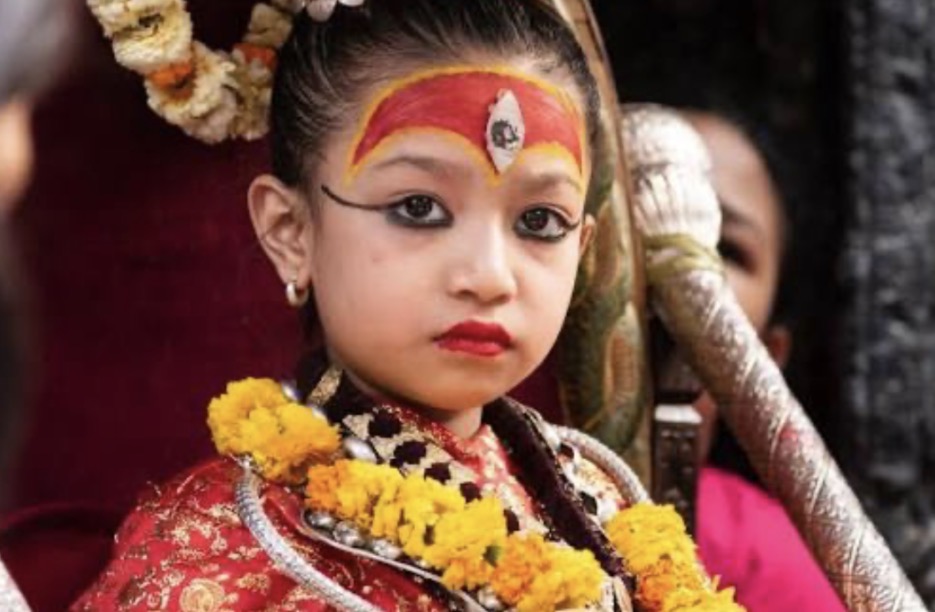
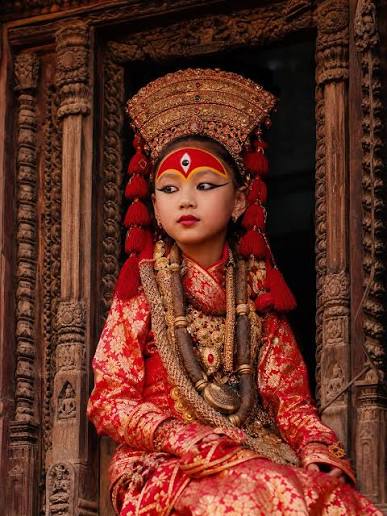
He explained that Nepal has a living goddess. A real child chosen through a centuries-old tradition who is believed by many to embody the divine female energy known as Taleju.
It sounded fascinating.
It also sounded slightly unbelievable.
A few clicks later and it turned out there was a viewing the next day, but could we get in? By the next morning it became part of our plan.
The atmosphere felt different from anywhere else we visited
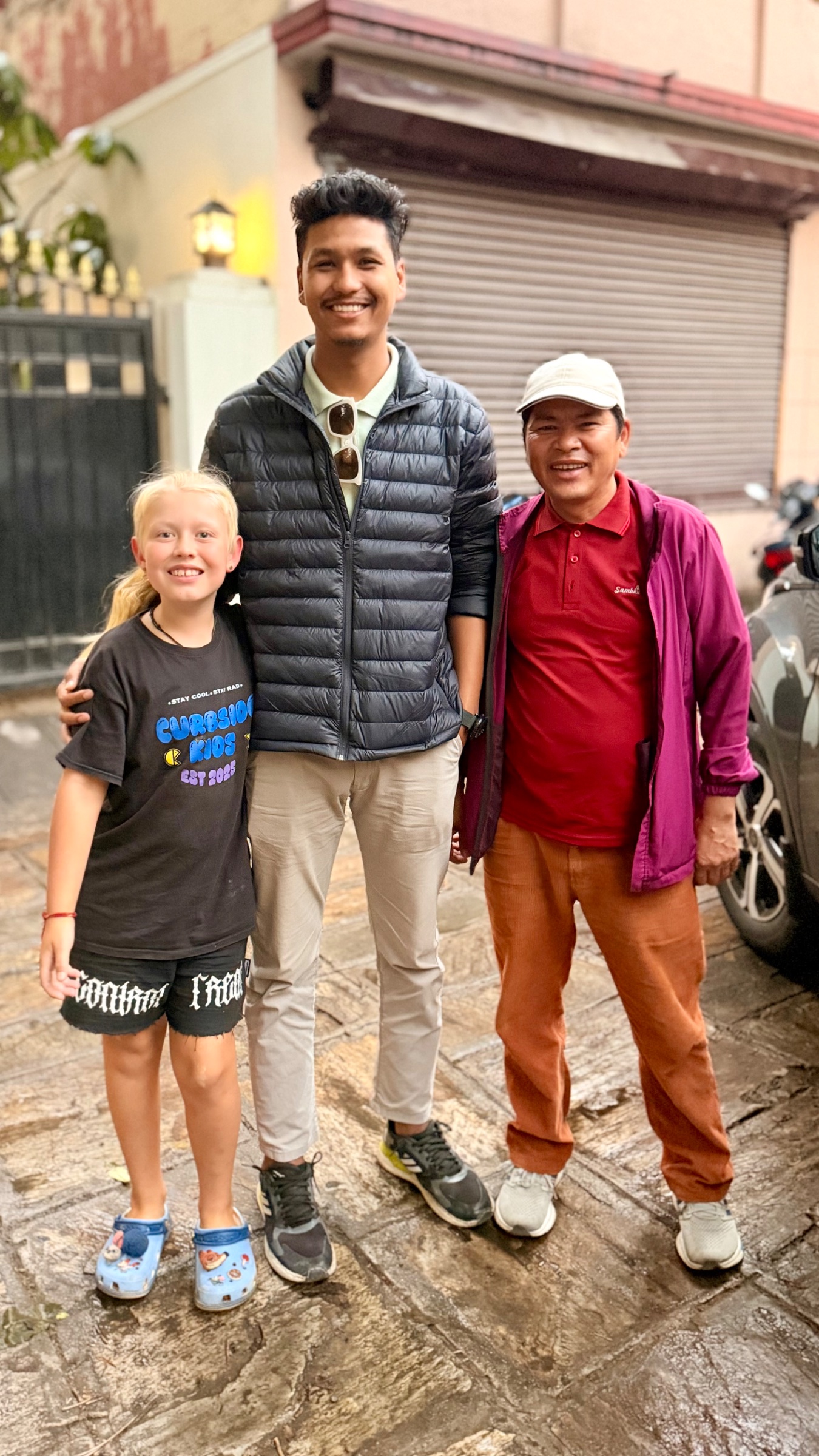
Our guide, Anish, met us with a driver at our hotel. We had a stops planned some distance apart when we got into town he led us through Kathmandu with the confidence of someone who genuinely knows every corner of it.
Travelling with an eight-year-old can expose guides pretty quickly. Some are great with adults but struggle to adapt. Anish seemed to instinctively understand family travel. Food stops appeared when energy levels started dropping. Questions were answered before we'd even thought to ask them.
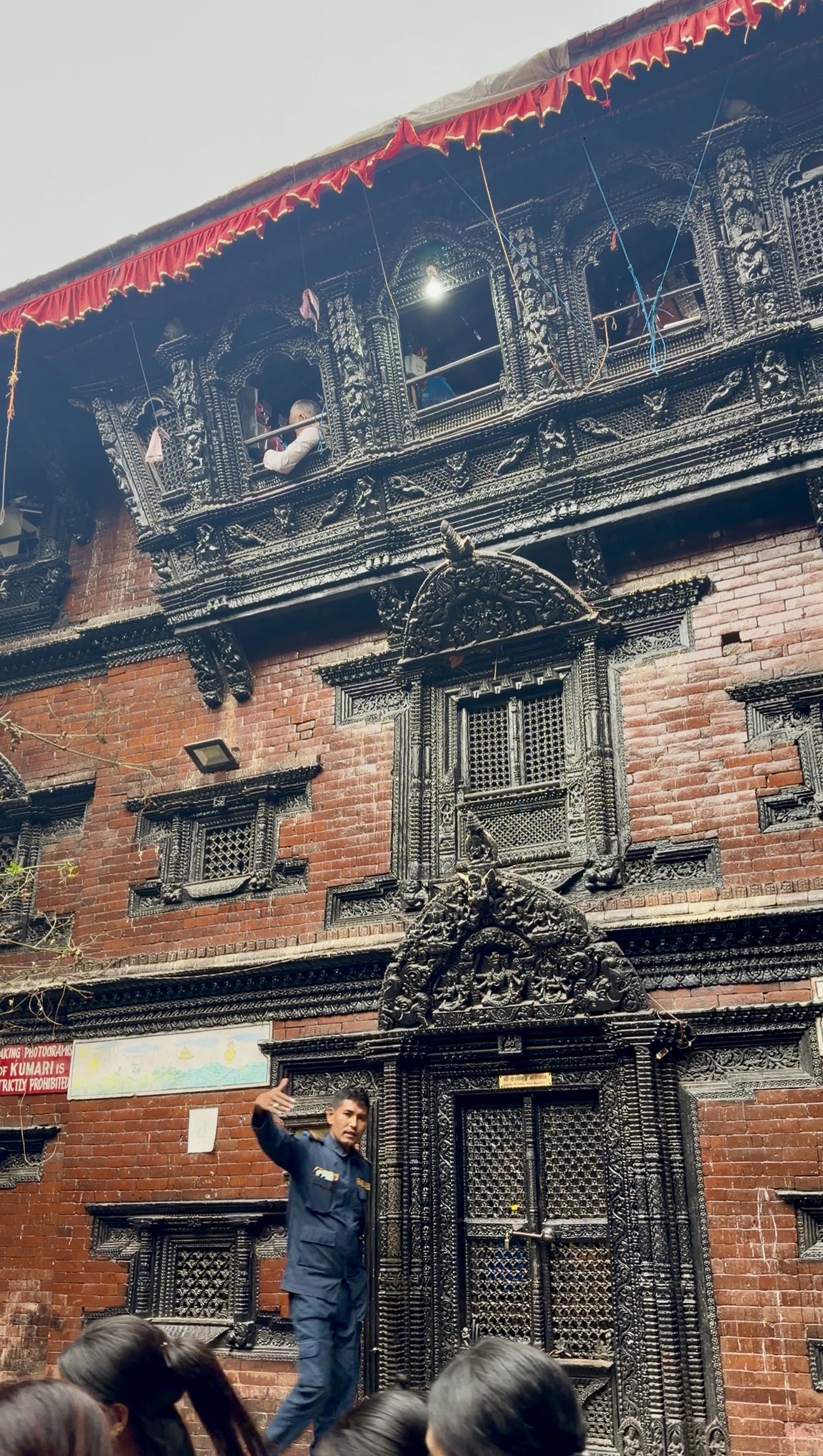
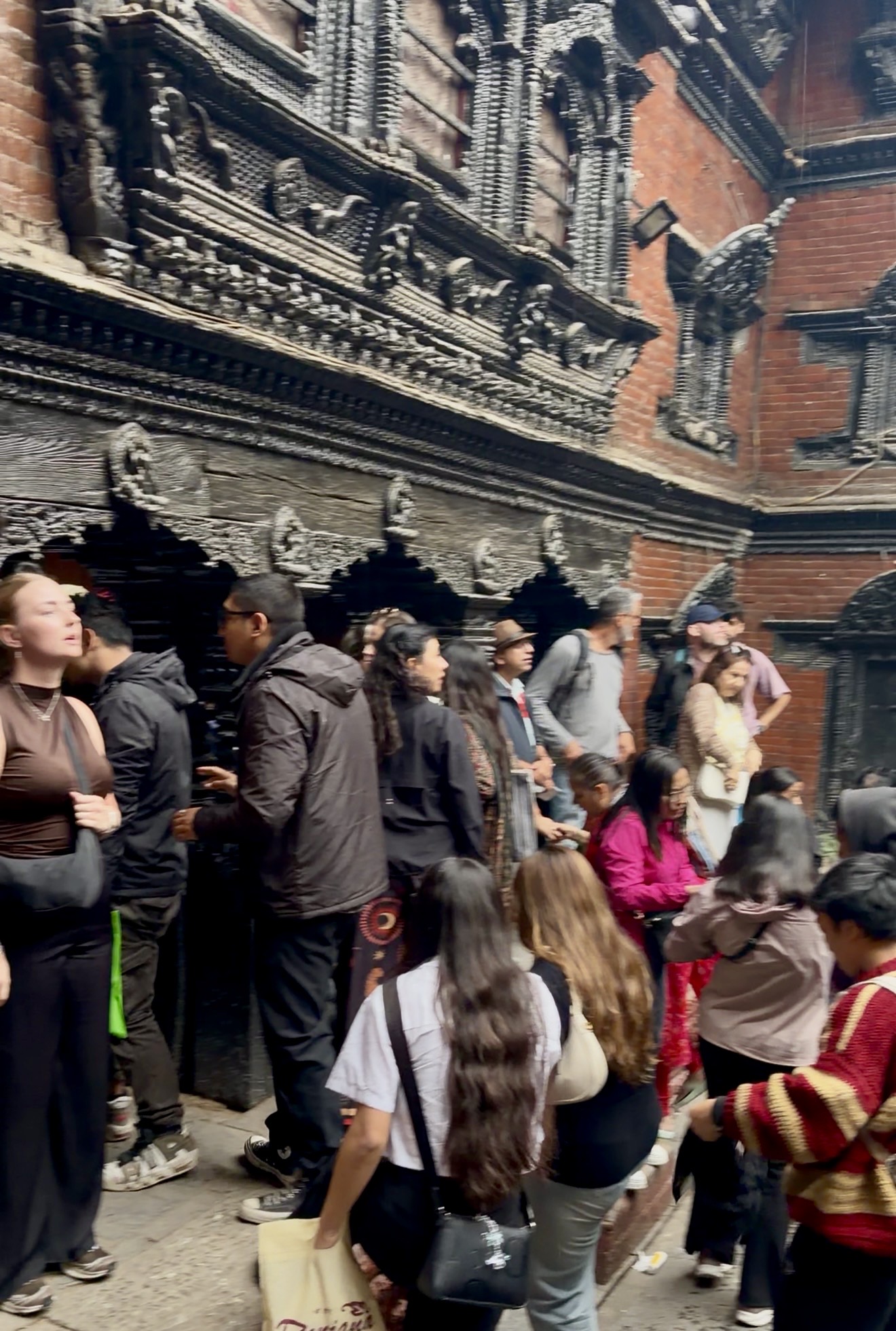
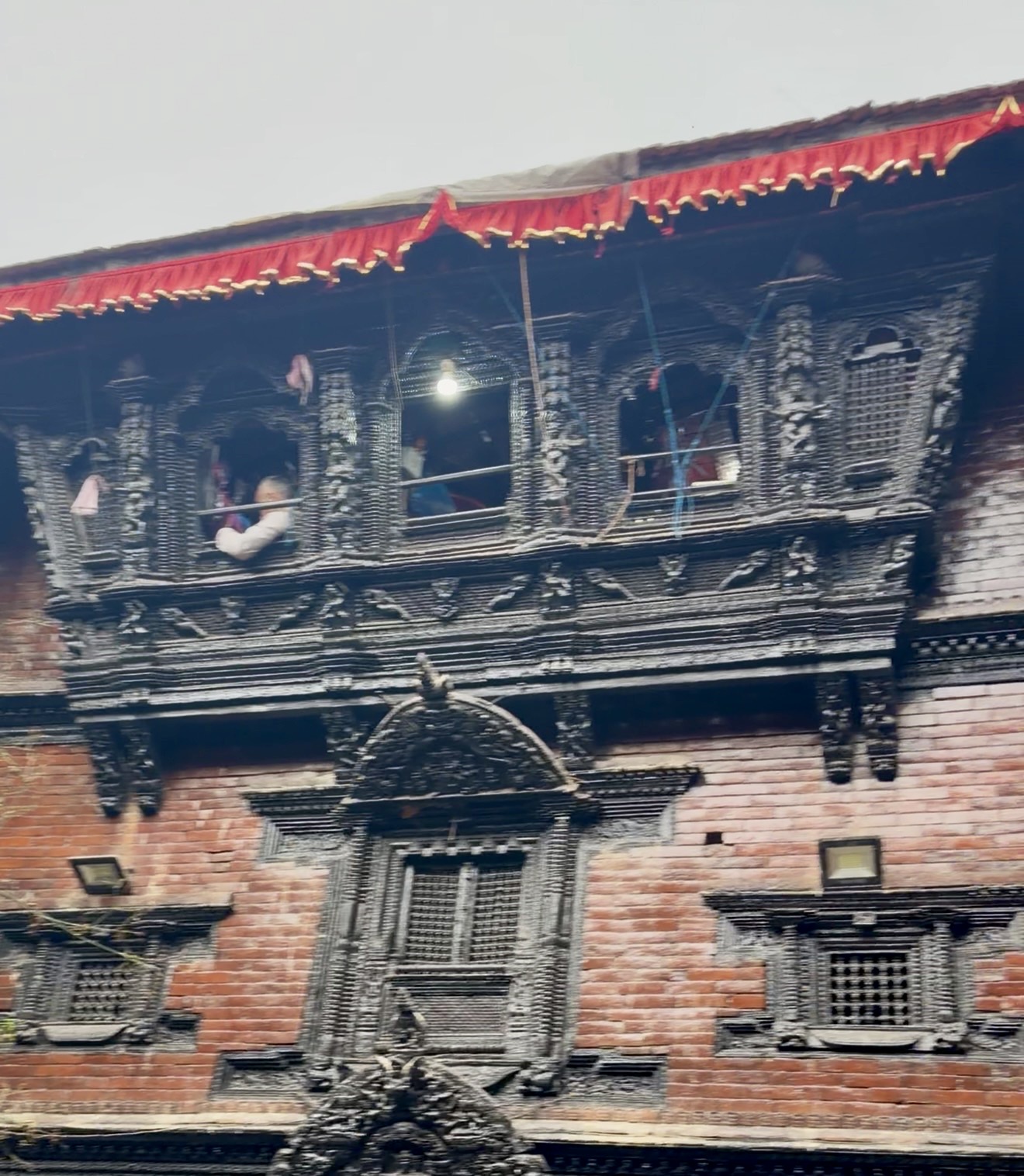
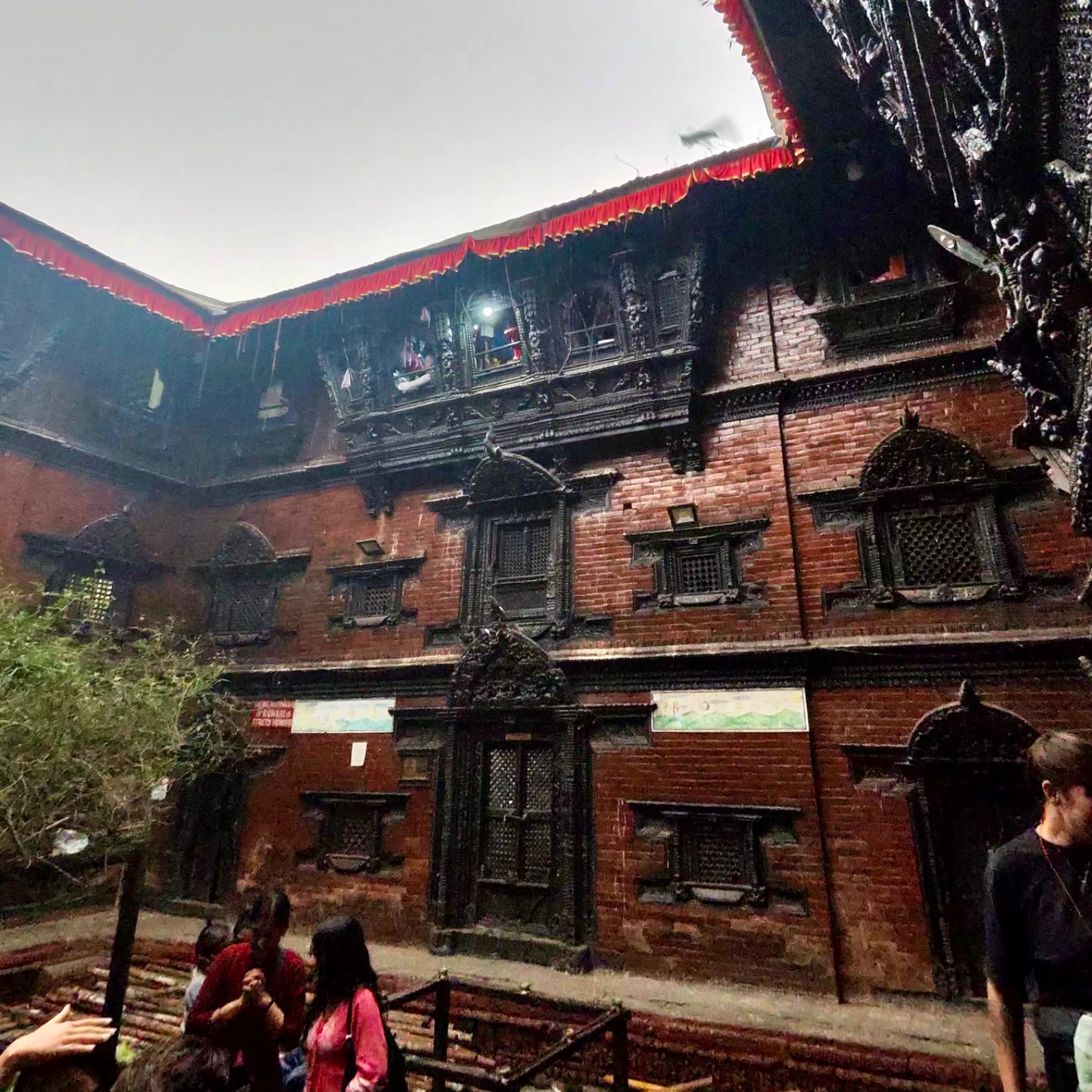
Eventually we arrived at Kathmandu Durbar Square and entered Kumari Ghar, home of the Royal Kumari.
The courtyard itself wasn't particularly large.
What surprised us was the atmosphere.
People weren't simply sightseeing.
They were waiting.
There was a quiet anticipation hanging over the place that felt different from the temples and squares we'd visited elsewhere in the city.
I'm not religious. I'm probably best described as an agnostic who likes to keep his options open. If there is a higher power somewhere, I'd rather not spend my life actively annoying it.
Go deeper
How we spent 2 weeks in Nepal
Get new guides and posts in your inbox
No spam, unsubscribe any time.
2 likes
- MA@mandalaholidays5 Jun 2026
What a wonderful read! It was truly our pleasure and honor to host your family during your time in Nepal. Reading about your experience with the Living Goddess and your journey through Kathmandu brought back great memories for our team. Thank you for trusting Mandala Holidays with your adventure and for sharing Nepal through such genuine storytelling. We are delighted that the cultural experiences, especially your visit to Kumari Ghar, left such a lasting impression. We hope the memories of Nepal stay with you for years to come, and we would be thrilled to welcome you back whenever your travels bring you this way again. Warm regards, Nikhil Manandhar & the Mandala Holidays Team
 BecBec L.5 Jun 2026
Thank you so much. We adored our time in Nepal, we have so much to write about from there and we can’t wait. Thanks for everything 🖤
- SUsujan5 Jun 2026
Just wanted to send a huge thank you from all of us at Mandala Holidays for your incredible blog post about your time in Nepal. We absolutely loved reading about your experience, especially your encounter with the Kumari and how Nikhil helped shape your trip. It's fantastic to hear that our team made such a positive impact on your journey. We're so glad you had such a memorable and insightful visit. Cheers, Warm Regards Sujan 🙏🏻
- BecBec L.5 Jun 2026
We just want to shout about Nepal from the rooftops, our favourite country to date, thanks for making our time so memorable
4 comments