When we started planning our camper van trip around Japan, we kept asking ourselves the same questions.
Where do you sleep?
Where do you shower?
What happens if you need the toilet in the middle of the night?
How expensive are campsites?
Coming from the UK, we'd just assumed we'd spend most nights in campsites and that the accommodation side of a road trip would quickly become one of our biggest costs.
Instead, we stumbled across something we'd never even heard of before.
It was actually ChatGPT that first pointed us towards them while we were planning the trip and, looking back now, they completely changed the way we travelled around Japan.
If you're hiring a camper van, they're probably about to become your favourite discovery too.
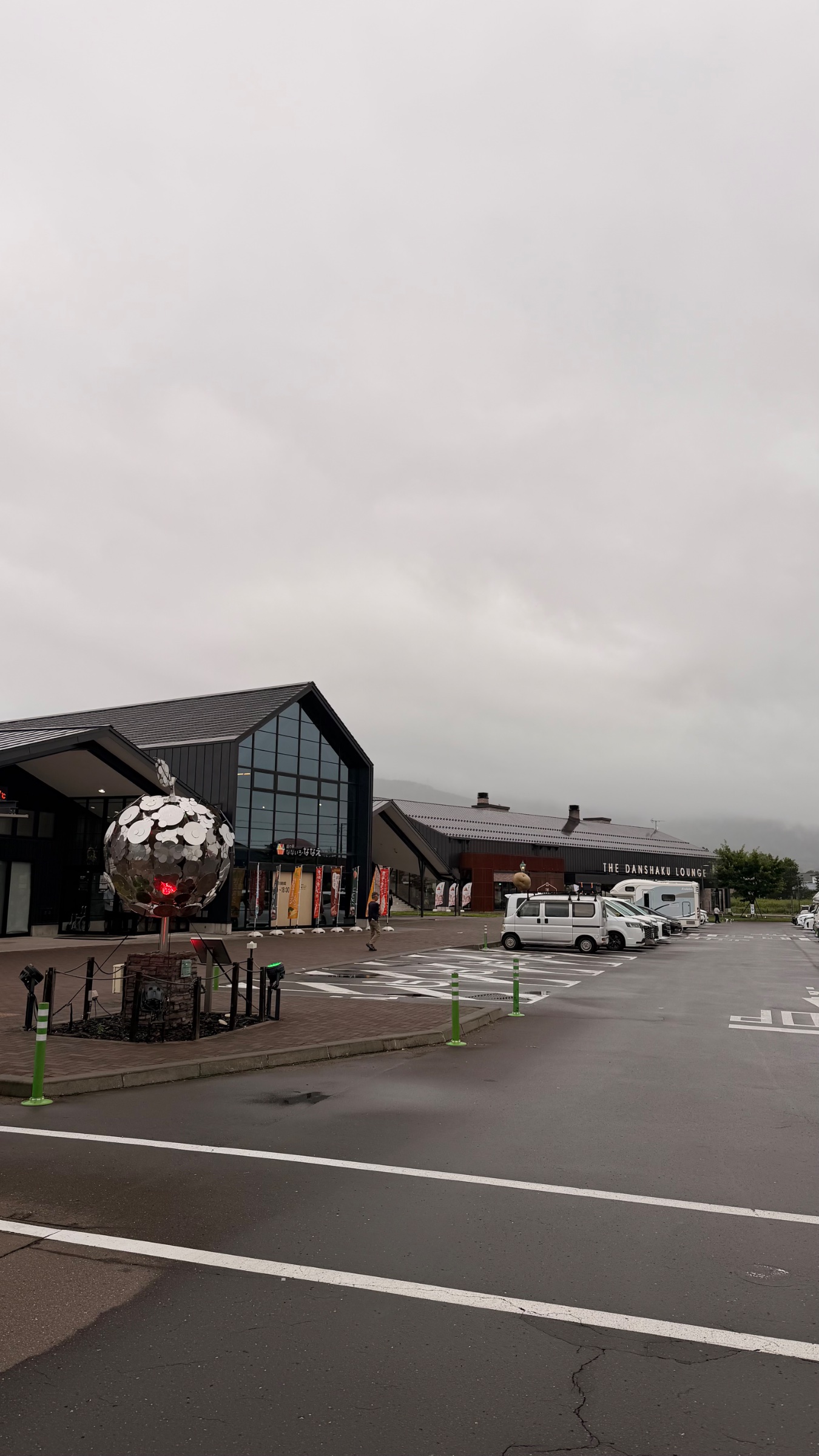
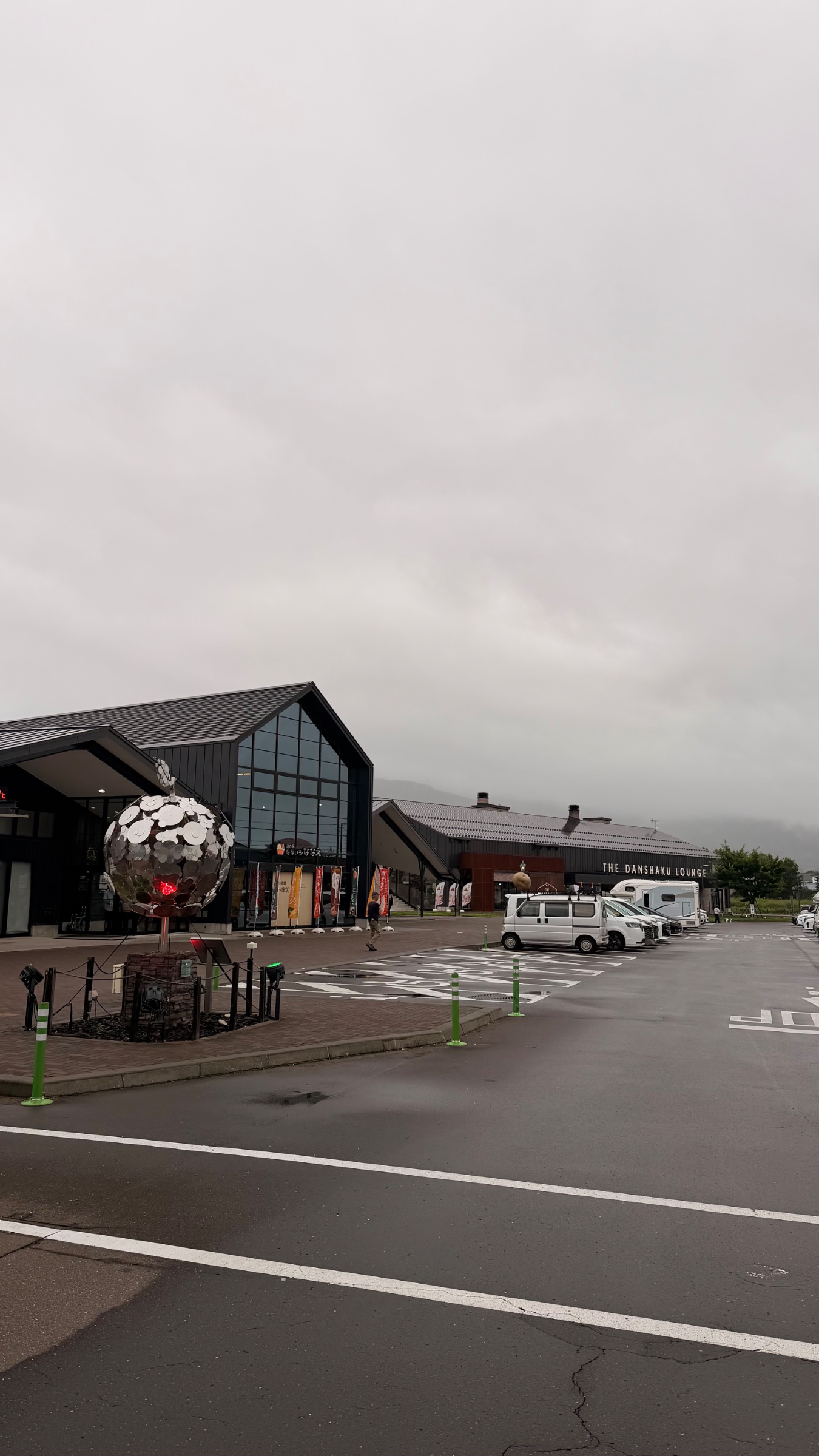
Michi-No-Eki are roadside stations found all over Japan.
Calling them a roadside service station doesn't really do them justice though.
They're somewhere between a motorway services, a village farm shop, a tourist information centre and a local community hub.
Every single one is a little bit different.
Some are tiny.
Some are enormous.
Some are in the middle of nowhere with views over mountains or the sea, while others sit just outside busy towns.
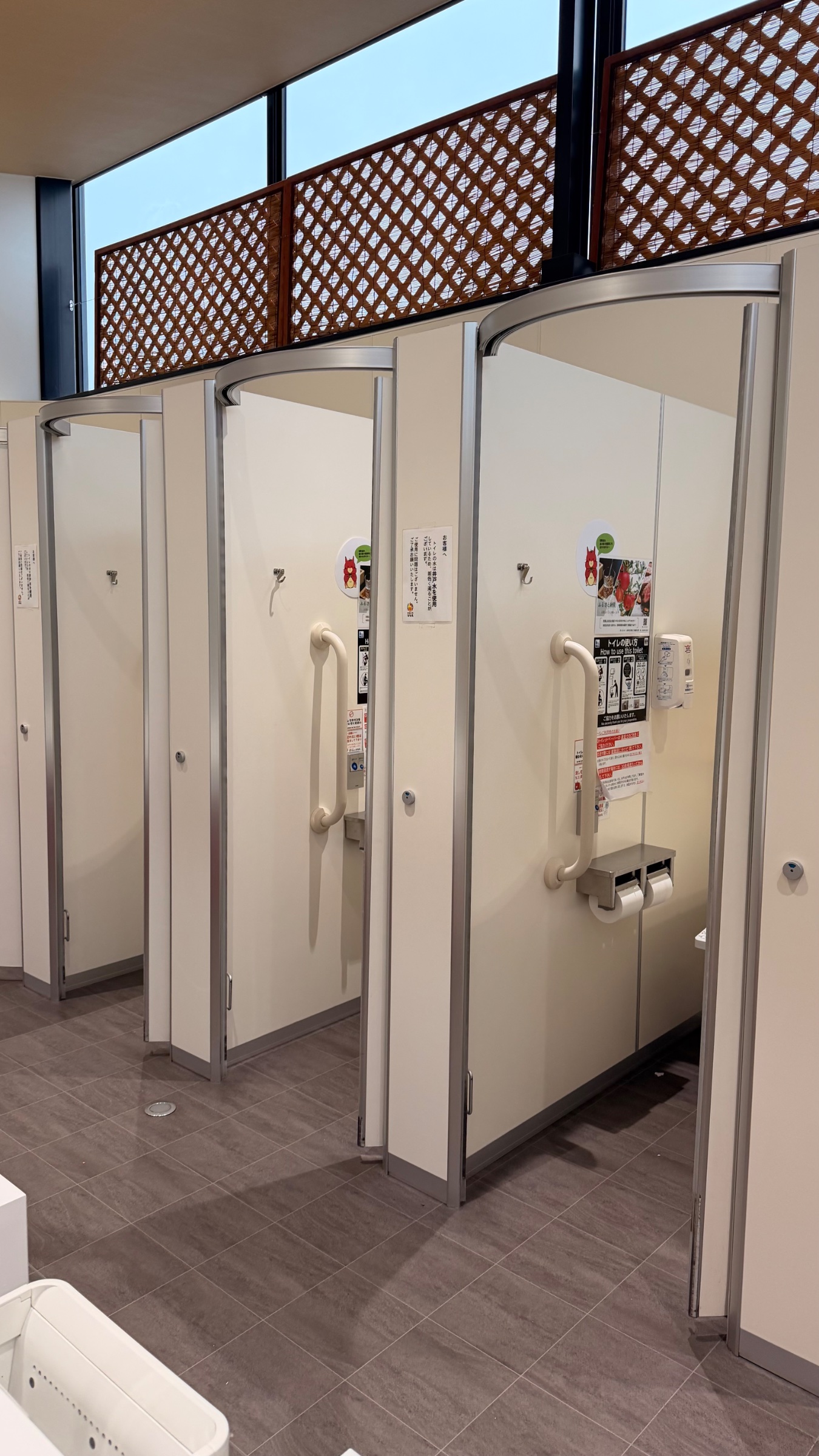
What they all seemed to have in common was how unbelievably clean they were.
The toilets were spotless every single time we stopped. There were always plenty of cubicles, sensor flushes, heated seats, soap, hand dryers and, of course, the famous Japanese toilets with every button imaginable.
After a couple of days you stop being impressed by them.
Then you remember what motorway toilets back home are sometimes like and suddenly you're impressed all over again.
Most also had somewhere to buy food.
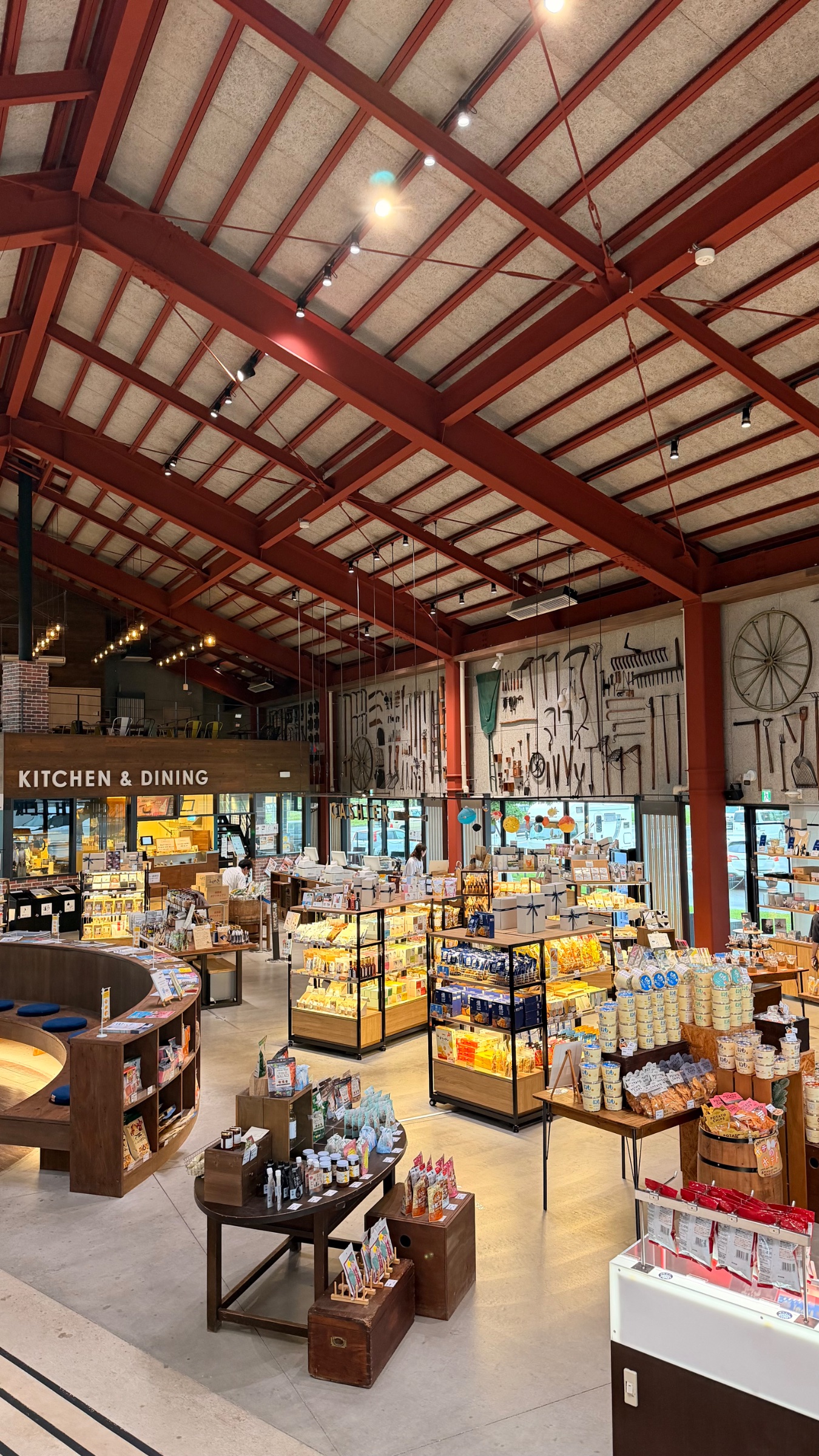
Sometimes it was a small local farm shop.
Sometimes a bakery.
Occasionally a 7-Eleven or convenience store.
There were always vending machines if all you wanted was an ice cold drink after a long drive.
The thing we loved most was that they all felt different.
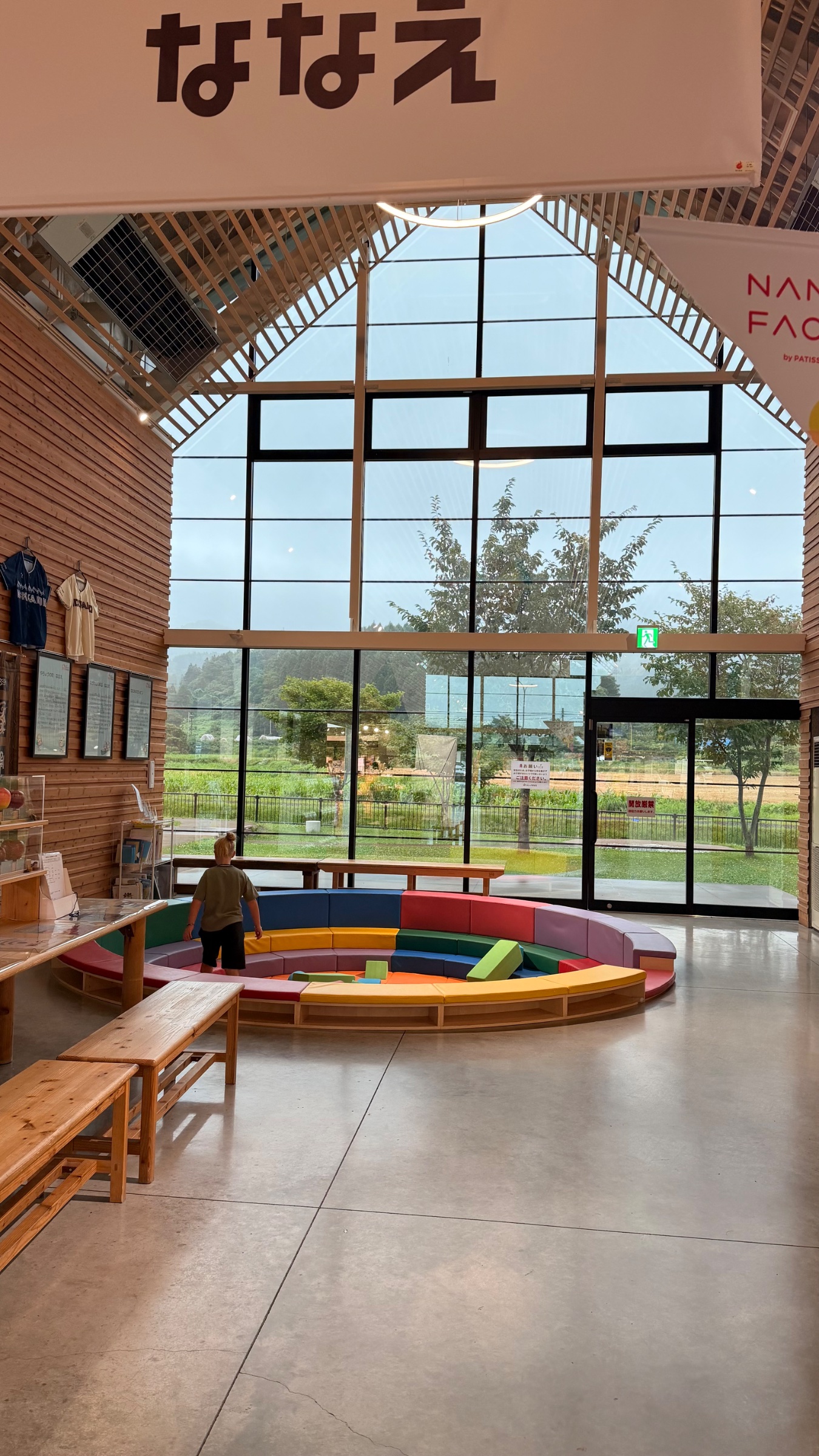
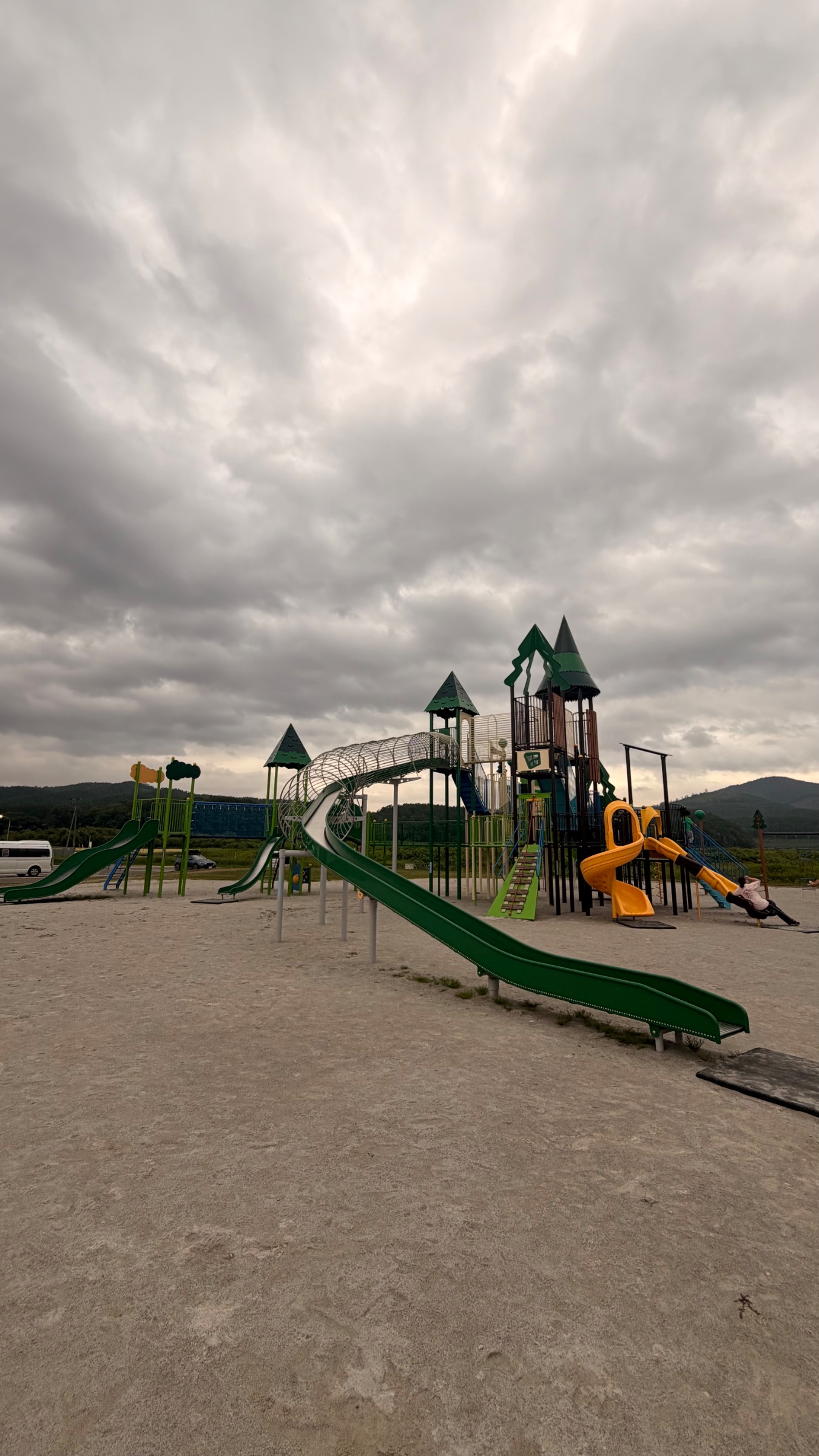
One afternoon we'd stop somewhere with a brilliant play park where Jax disappeared for nearly an hour while we stretched our legs.
The next morning we'd wake up overlooking the Sea of Japan.
Another stop had one of the nicest views of Mount Fuji we'd seen during the whole trip.
You never quite knew what you'd find next.
We quickly realised these weren't just places to sleep.
Some of our favourite afternoons happened because we'd arrived somewhere earlier than expected and started wandering around.

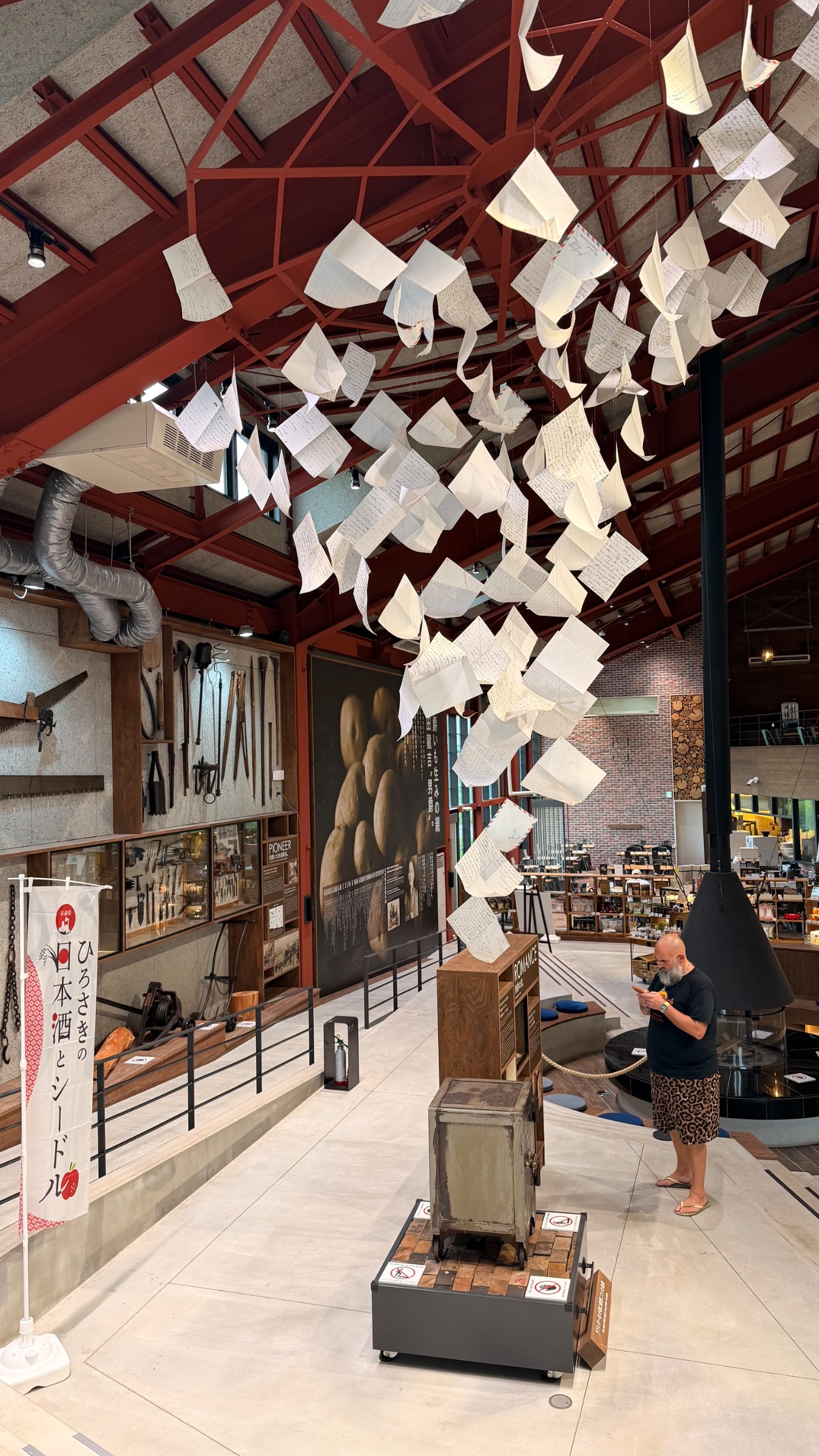
One had a little museum that was completely free.
Another had an indoor soft play area.
Others had huge outdoor playgrounds, splash parks and walking trails.
It genuinely felt like the local community used them just as much as travellers did, which made them feel much more welcoming than a standard campsite.

The farm shops became another favourite.
We'd often pick up fresh fruit, vegetables or snacks we'd never seen before.
Sometimes we'd buy dinner there and cook it back at the van.
Other times we'd just grab an ice cream and have a wander around.

The food was another surprise.
We expected the usual motorway service station meals.
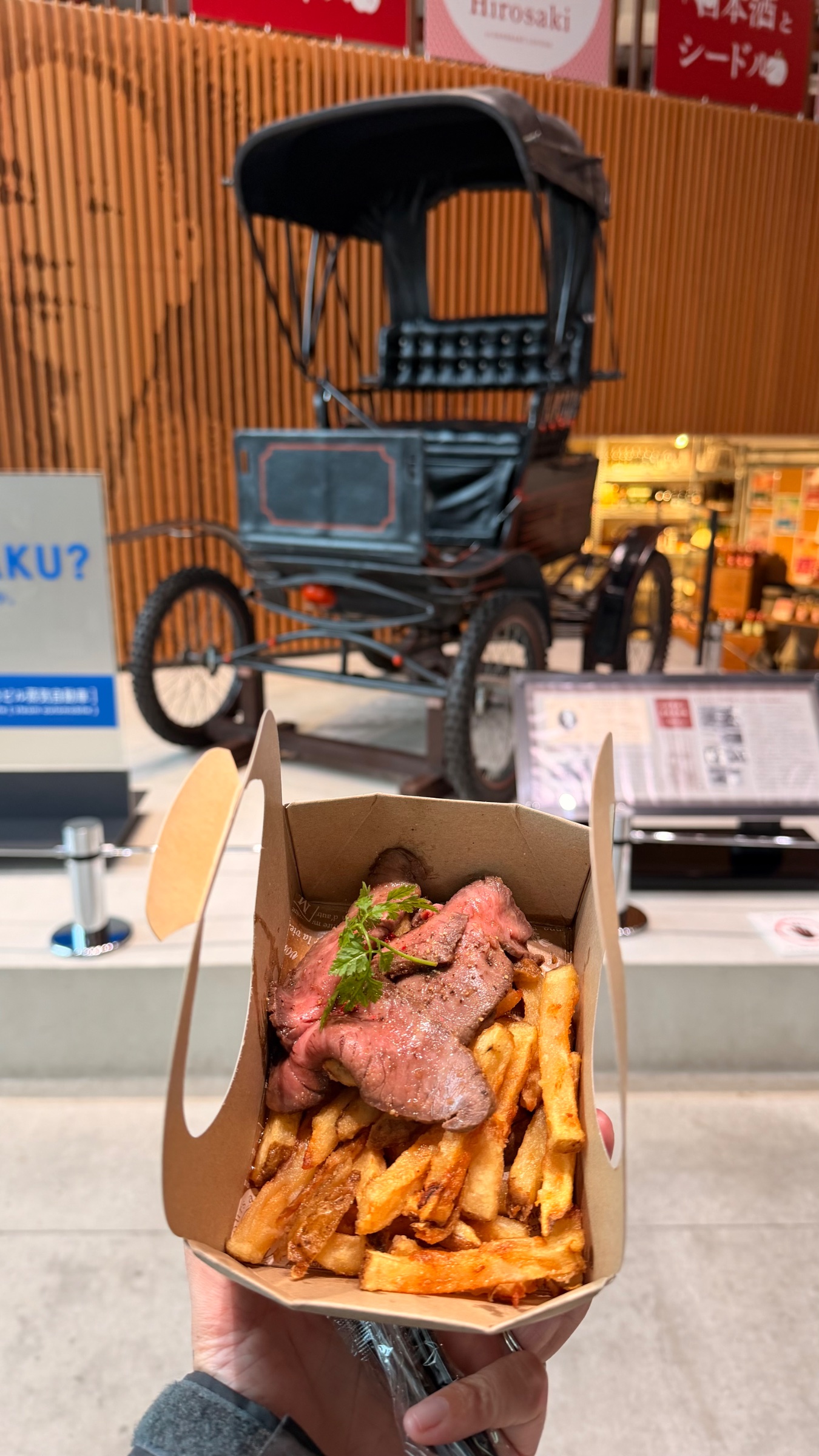
Instead we'd often find proper local food being cooked fresh.
Some of the meals we had at Michi-No-Eki were honestly better than restaurants we'd paid much more for elsewhere.

This was probably our biggest worry before arriving.
Toilets were one thing.
Showers felt like they'd be much harder to find.
Some Michi-No-Eki do have coin showers but they're definitely not everywhere.
Whenever we found one, we'd make the most of it because it made the rest of the day much easier.
Most worked the same way.
You'd put in around 200 yen and get roughly five minutes of hot water.
Five minutes doesn't sound like much.
It turns out it's just about enough.
Me and Jax could both squeeze into one five minute session if everyone moved quickly enough.
Or I could wash my hair and attempt to shave my legs, although "attempt" is definitely the important word there.
If you needed another few minutes, you just added another coin.
Even though coin showers weren't available at every stop, we never struggled to stay clean.
Between campsite showers, tattoo-friendly onsens and Kaikatsu Club, there was always another option nearby.
Once we'd worked out our little routine it became something we barely thought about.
This is probably the bit that surprised us most.
During the whole three weeks we had the camper van, we didn't spend anything staying overnight.
Not one penny.

That obviously made a huge difference to our budget.
Accommodation is usually one of the biggest travel expenses for us.
Removing that cost meant we could spend more on activities, food or simply stay in Japan for longer.
It also made every day feel far more flexible.
We never needed to race somewhere because we'd already paid for a campsite.
If we found somewhere we loved, we stayed longer.
If we fancied driving another hour, we drove another hour.
There wasn't any pressure.
The facilities made that possible.

Would we stay at Michi-No-Eki again?
Without even thinking about it.
They're clean, practical, easy to find and often become little destinations in their own right.
Some of our favourite evenings during the whole trip were simply parked up, cooking dinner, watching the sun go down and planning where we'd head the following morning.
If you're thinking about hiring a camper van in Japan, don't overlook them.
For us, they weren't just somewhere to sleep.
They quietly became one of the reasons we enjoyed the road trip as much as we did.
No comments yet